


 EN
EN
 AR
AR
 FR
FR
 DE
DE
 JA
JA
 KO
KO
 PT
PT
 RU
RU
 ES
ES
 DA
DA
 FI
FI
 NO
NO
 SV
SV
 TL
TL
 BG
BG
 HR
HR
 CS
CS
 NL
NL
 EL
EL
 HI
HI
 PL
PL
 RO
RO
 IW
IW
 SR
SR
 SK
SK
 SL
SL
 UK
UK
 VI
VI
 SQ
SQ
 ET
ET
 HU
HU
 MT
MT
 TH
TH
 MS
MS
 GA
GA
 IS
IS
 AZ
AZ
 KA
KA
 BN
BN
 MN
MN

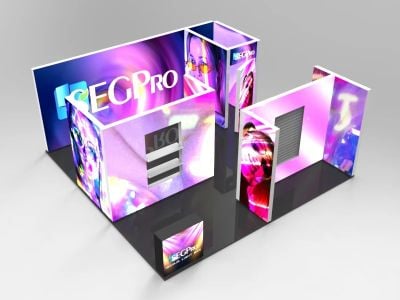
How to Replace Light Box Prints Without Buying a New Frame?
Updating your light box prints can be a simple and creative way to refresh a home, office, shop, or business display. Instead of purchasing an entirely new light box frame whenever you want a different appearance, you can replace the print inside the existing frame. This approach can save money while giving you more flexibility to change your design whenever needed.
Before replacing a print, make sure the light box is switched off and unplugged. Open the frame carefully according to the manufacturer's instructions. Some models may use screws, clips, sliding covers, or other fastening systems. Once the frame is open, remove the existing print carefully. You may keep it for future use or recycle it if it is no longer needed. The replacement print should have the correct dimensions for the frame. Measure the existing print before ordering or producing a new one. When creating your own design, use high-resolution images, readable text, and colors that work well with backlighting. A professional printing service can also help select suitable materials and printing methods.
Before installing the replacement, gently clean dust from the inside of the light box using a soft, dry cloth. Position the new print carefully so that it is straight and properly aligned. Secure it using the original clips, holders, or frame mechanism. Once everything is properly closed, reconnect the light box and check the appearance. With a little preparation, changing light box frame can provide a cost-effective way to refresh advertisements, promotional displays, decorative graphics, and other visual content.
Where to Find Quality Light Box Prints for Wholesale Purchase?
Businesses that regularly update displays may need multiple light box prints, making wholesale purchasing a practical option. Buying in larger quantities can provide better pricing and make it easier to maintain consistent designs across several locations. Online printing companies are one place to begin. Many professional printers offer custom sizes, different materials, and bulk-order services. Before placing a large order, check the company's specifications carefully and request samples if possible. This can help you determine whether the print quality, brightness, color reproduction, and material are suitable for your light box.
Local print shops are another useful option. They may be able to produce custom graphics based on the exact dimensions of your existing frame. Speaking directly with a printing professional can also help you select the appropriate material for backlighting. Wholesale buyers should ask about minimum order quantities, turnaround times, finishing options, and bulk discounts. Design marketplaces can provide another source of inspiration. Artists and graphic designers may offer ready-made designs or customizable artwork. Businesses can choose designs that match their branding or create a different visual style for seasonal campaigns.
Social media can also help buyers discover independent designers and printing businesses. However, it is important to check reviews, previous work, material specifications, and business policies before placing a large order. When purchasing light box prints wholesale, quality should remain a priority. A low-cost print may not provide the brightness, durability, or color accuracy required for professional displays. Comparing samples and specifications can help businesses find a supplier that offers the right combination of quality and price.
Common Issues When Replacing Light Box Prints and How to Avoid Them
Replacing light box prints is generally straightforward, but several common problems can affect the final result. One of the most frequent issues is incorrect sizing. A print that is too large may not fit inside the frame, while one that is too small can leave visible gaps. Measuring the original print and confirming the frame's exact dimensions before ordering can help prevent this problem.
Material selection is another important consideration. Ordinary paper may not transmit light evenly, which can result in a dull or uneven appearance. Backlit films and other translucent materials are specifically designed to work with illuminated displays and may provide better results. Print quality also affects the finished display. Low-resolution images can appear blurry when printed at a larger size. To achieve clearer results, start with high-resolution artwork and use appropriate printing settings. Businesses should also confirm that the printer can reproduce the desired colors accurately.
Installation can create another challenge. A fabric light boxes that is positioned incorrectly may appear crooked or develop wrinkles. Take time to align the artwork before securing it. Check that clips, holders, or other fastening components are properly positioned before closing the frame.
Dust can also become noticeable once the light box is illuminated. Cleaning the inside of the frame before installation can help prevent unwanted marks from appearing behind the print.
At Lintel, careful product selection and proper installation can help users achieve a cleaner and more professional display. By measuring accurately, selecting suitable materials, using quality artwork, and installing the print correctly, businesses can make replacement projects much easier.
How to Choose the Right Material for Light Box Print Replacement
Choosing the correct material is essential when replacing light box prints because the material affects brightness, color, durability, and overall appearance. Different applications may require different materials, so buyers should consider where the light box will be used and how frequently the graphic will be changed.
Acrylic is one possible option. It is lightweight, rigid, and allows light to pass through effectively. It can provide a clean appearance and may be suitable for applications where durability is important. However, buyers should check that the selected acrylic is appropriate for their specific printing and light box system.
Backlit film is another popular choice. It is specifically designed for illuminated graphics and can distribute light through the printed image. This can help produce bright colors and clear visual details when the appropriate film and printing process are used.
Translucent paper can also be used for certain applications. It may be more affordable and easier to handle, but its light transmission and durability can differ from specialized backlit materials. Buyers should test the material with their particular light box before ordering large quantities.
Durability is another factor to consider. Displays installed in high-traffic areas or locations exposed to frequent handling may require stronger materials. For temporary promotional campaigns, a less durable option may be sufficient.
The printing process should also match the selected material. Different substrates can require different inks, printers, or finishing methods. Consulting a professional printing supplier can help ensure that the material and printing method are compatible.
By considering brightness, durability, appearance, installation requirements, and intended use, buyers can select a suitable material for their light box prints and achieve better results.
What Are the Trending Designs for Light Box Prints?
Design trends for light box prints can change over time, but bold colors, strong visual compositions, nature-inspired artwork, and creative typography continue to provide useful ideas for modern displays. Businesses can use these approaches to attract attention and create a stronger visual identity.
Bright colors can make an illuminated display stand out in retail stores, exhibitions, restaurants, offices, and other public spaces. High-contrast designs can also make important messages easier to notice from a distance. However, colors should be selected carefully so that text remains readable and the overall design does not become overwhelming.
Nature-inspired designs are another option. Images featuring plants, landscapes, flowers, or natural textures can create a calm and welcoming atmosphere. These designs can work particularly well in hospitality spaces, offices, wellness businesses, and retail environments.
Typography-focused designs are also useful. A short slogan, promotional message, inspirational phrase, or brand statement can become the central feature of a light box. Large, simple lettering is generally easier to read when viewers are standing several feet away.
Seasonal designs can provide another way to keep displays fresh. Businesses can replace their light box display for holidays, sales events, product launches, or special campaigns without replacing the entire frame. This makes the display more flexible and can reduce the cost of regularly updating visual content.
At Lintel, replacing the print instead of the entire light box provides businesses with a practical way to refresh their displays. By selecting suitable materials and creative designs, users can keep their illuminated displays attractive, relevant, and effective while making better use of the existing frame.