


 EN
 AR
 FR
 DE
 JA
 KO
 PT
 RU
 ES
 DA
 FI
 NO
 SV
 TL
 BG
 HR
 CS
 NL
 EL
 HI
 PL
 RO
 IW
 SR
 SK
 SL
 UK
 VI
 SQ
 ET
 HU
 MT
 TH
 MS
 GA
 IS
 AZ
 KA
 BN
 MN

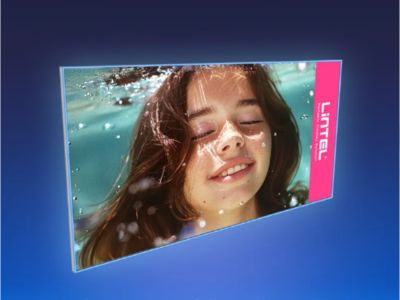
Light box trade show displays are essential tools for businesses seeking to enhance their visibility and engage potential clients at exhibitions and events. These illuminated displays capture attention with their vibrant graphics and are particularly effective in crowded environments. For purchasing managers and event coordinators, selecting the right light box display involves understanding quality, material options, and specific application needs. This article will guide you through crucial considerations, ensuring you make an informed decision when choosing light box trade show displays.
Choosing the Right Light Box Trade Show Displays for Your Event
When selecting light box trade show displays, consider the specific goals of your event. Are you aiming to attract foot traffic, showcase a new product, or convey a brand message? Identifying the purpose will help you determine the size, design, and functionality of the display.
Size and Configuration: Light box display come in various sizes and configurations, from freestanding units to tabletop models. Evaluate the space available at the event and how the display integrates with your overall booth design. For larger footprints, consider multiple light boxes for a cohesive presentation.
Design and Graphics: High-quality graphics are vital for effective messaging. Opt for displays that allow for easy graphic changes, enabling you to adapt to different events or campaigns. Ensure your graphics are high-resolution and vibrant, which will be enhanced by the illumination from the light box.
Portability and Setup: Depending on the number of events you attend, the ease of transport and setup can significantly influence your choice. Lightweight, collapsible displays can save time and labor costs during assembly and disassembly.
How to Evaluate Quality in Light Box Trade Show Displays
Quality evaluation is crucial when investing in light box trade show displays, as a poorly constructed display can diminish your brand's image. Here are key factors to consider:
Material Durability: The materials used in the construction of light boxes impact their longevity and appearance. Look for displays made from high-quality aluminum or durable plastic, as these materials provide a balance of lightweight portability and robust structure. Additionally, inquire about the type of fabric used for graphics; it should be wrinkle-resistant and easy to clean.
Illumination Quality: The light source is a critical aspect of performance. LED lighting is preferable due to its energy efficiency, longevity, and ability to produce bright, uniform illumination. Ensure that the light box has an even light distribution to avoid dark spots, which can detract from the display’s visual appeal.
Construction Quality: Examine the assembly and joinery of the light box. Well-engineered connections and stable structures will withstand frequent handling and transport. If possible, request a sample to assess the quality firsthand before placing a bulk order.
Common Problems and Solutions for Light Box Displays
While light box displays are effective marketing tools, they can present some challenges. Here are common problems buyers may encounter and practical solutions:
Fading Graphics: Over time, exposure to light can cause graphics to fade. To combat this, choose UV-resistant materials for prints, ensuring that your graphics maintain their vibrancy throughout the event duration.
Electrical Issues: Ensure that the portable LED light box has a reliable power source and consider the location of electrical outlets at the venue. For a seamless experience, look for displays equipped with integrated wiring and easy-access power ports.
Transport Damage: Light boxes can be susceptible to damage during transport. Using custom packaging solutions, such as padded cases or foam inserts, can protect the display components. Additionally, consider purchasing displays that break down into smaller parts for easier transport and storage.
Key Specifications
Understanding the key specifications of light box trade show displays is essential for making an informed purchase. Here are some important specs to consider:
Dimensions: Define the height, width, and depth of the display. Ensure that it fits within your booth space and meets any venue requirements.
Weight Capacity: If the display will support additional elements like shelves or monitors, confirm the weight capacity to ensure stability.
Power Requirements: Clarify the voltage and wattage requirements for the lighting system. This information is crucial for planning your electrical setup at the event.
Customization Options: Determine if the manufacturer offers custom sizes or configurations to suit your specific needs.
Understanding the Material Advantages of Light Box Displays
The materials used in light box trade show displays significantly affect their performance and appearance. Here are some material advantages to consider:
Aluminum Frames: Lightweight and strong, aluminum frames provide a sturdy foundation for stand light box while remaining portable. They resist rust and corrosion, making them suitable for repeated use at various events.
Fabric Graphics: Fabric graphics are versatile and easy to transport. They can be printed with high-quality images that are vibrant and eye-catching. Fabrics also allow for easy replacement, ensuring you can update your graphics for different events without incurring high costs.
Acrylic or Polycarbonate Panels: These materials are often used for the front face of light boxes, providing excellent light diffusion and clarity. They are shatter-resistant, which adds to the display's durability.
Selecting the right light box trade show displays requires careful consideration of various factors, including size, quality, and material advantages. By understanding these elements, purchasing managers and event coordinators can make informed decisions that enhance their brand visibility and effectiveness at trade shows and exhibitions.