EN
 AR
 FR
 DE
 JA
 KO
 PT
 RU
 ES
 DA
 FI
 NO
 SV
 TL
 BG
 HR
 CS
 NL
 EL
 HI
 PL
 RO
 IW
 SR
 SK
 SL
 UK
 VI
 SQ
 ET
 HU
 MT
 TH
 MS
 GA
 IS
 AZ
 KA
 BN
 MN
Lintel Professional Lightbox Fabric Printing Services
In modern exhibitions, commercial retail, and brand marketing, LED lightboxes have become essential tools for brands to showcase products and communicate messages, thanks to their bright visual effects, clean appearance, and flexible display options. However, a high-quality lightbox display system depends not only on its frame and LED lighting performance. The color, clarity, dimensional accuracy, and edge finishing of the printed graphics also directly affect the final display result.
For exhibition contractors, advertising production companies, printing service providers, lightbox distributors, and brand marketing teams, high-quality SEG lightbox graphics must meet several requirements: vivid colors, sharp images, precise dimensions, clean edges, smooth installation, and the flexibility to accommodate changing advertising needs across trade shows, retail events, and promotional campaigns.
Lintel Display specializes in portable display systems and supporting graphic production, providing one-stop printing services covering free design, color calibration, dye-sublimation printing, laser cutting, SEG silicone edge sewing, and finished product testing. Equipped with printing machines imported from South Korea and Italy, as well as laser cutting equipment imported from Switzerland, Lintel combines professional color management with comprehensive quality inspection procedures to deliver lightbox graphics with vivid colors, fine finishing, and reliable fit.
From customer design file submission to final lightbox installation and illuminated testing, Lintel focuses not only on the printed image itself but also on its performance in actual display environments. Standardized production procedures and physical product verification before delivery help customers present their brand image effectively and simplify future advertising updates.
1. From Customer Design Files to Finished Products: Lintel's Eight-Step Printing Process
Step 1: Customer Submits Design Files, with Free Design Services from Lintel
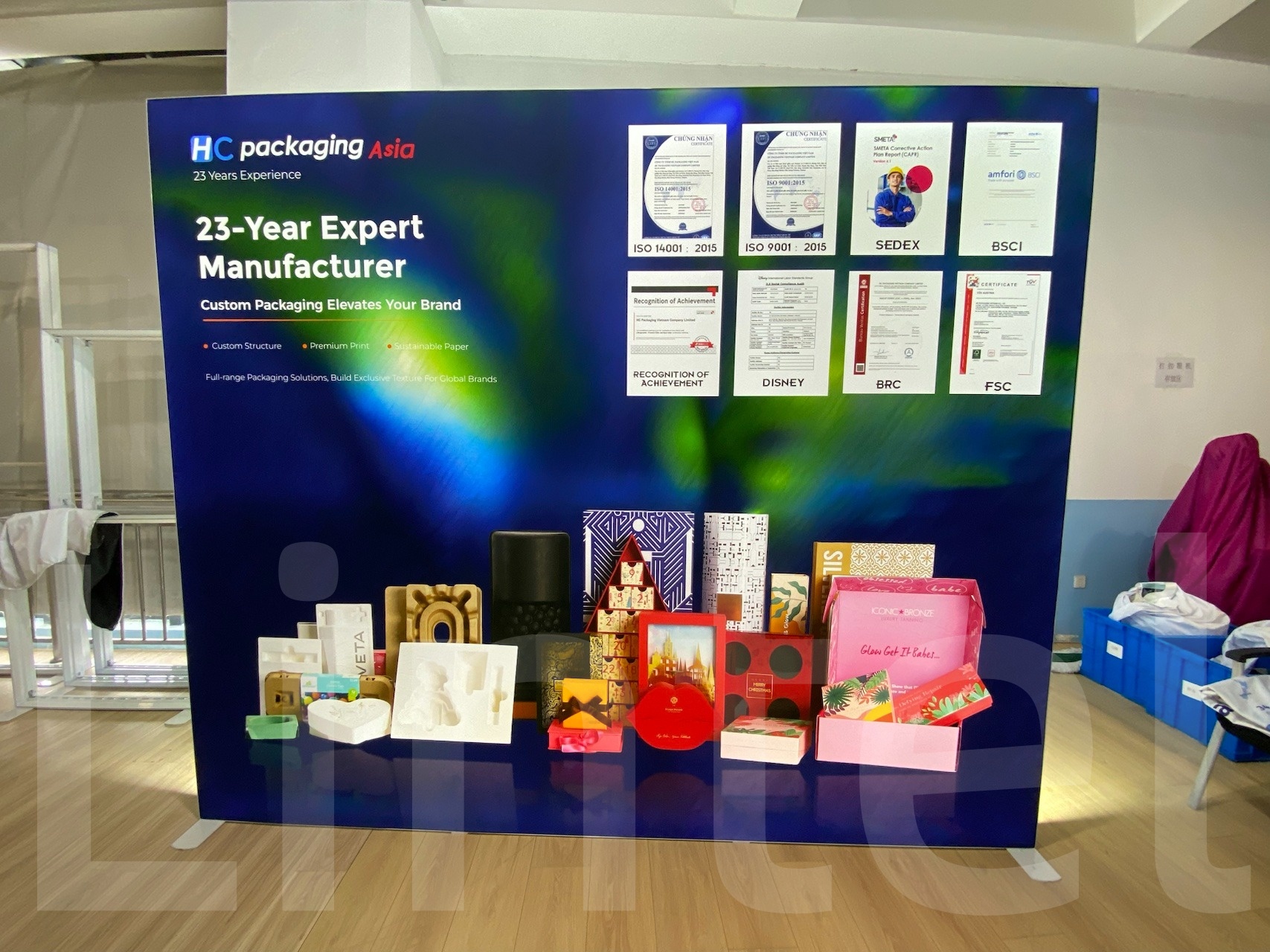
You can provide finished artwork directly, or simply share your brand guidelines, product images, and a brief description of your requirements. Lintel's design team can help create the layout.
At this stage, we also confirm several technical details: the artwork bleed, the actual clear dimensions of the display, areas that may be covered by structural components or retail accessories, and whether the smallest text remains readable under backlighting.
Backlit graphics differ fundamentally from ordinary flat prints. Light passes through the material from behind, which can make the edges of dark text appear slightly less defined. Therefore, a design that looks perfect in a brochure may require thicker lines or darker light gray backgrounds when used for a lightbox.
Step 2: Confirm the Final Design with the Customer
Before production begins, Lintel confirms the final artwork with the customer. You should check the brand logo, text, product images, backdrop colors, and overall layout, ensuring the graphic dimensions match the actual lightbox specifications.
For international trade shows, product launches, and large-scale brand events, confirming the final design in advance is particularly important. Establishing the correct production version helps prevent rework caused by incorrect file versions, layout issues, or mismatched dimensions.
Printing proceeds only after the design content and production specifications have been confirmed, providing a clear reference for subsequent manufacturing.
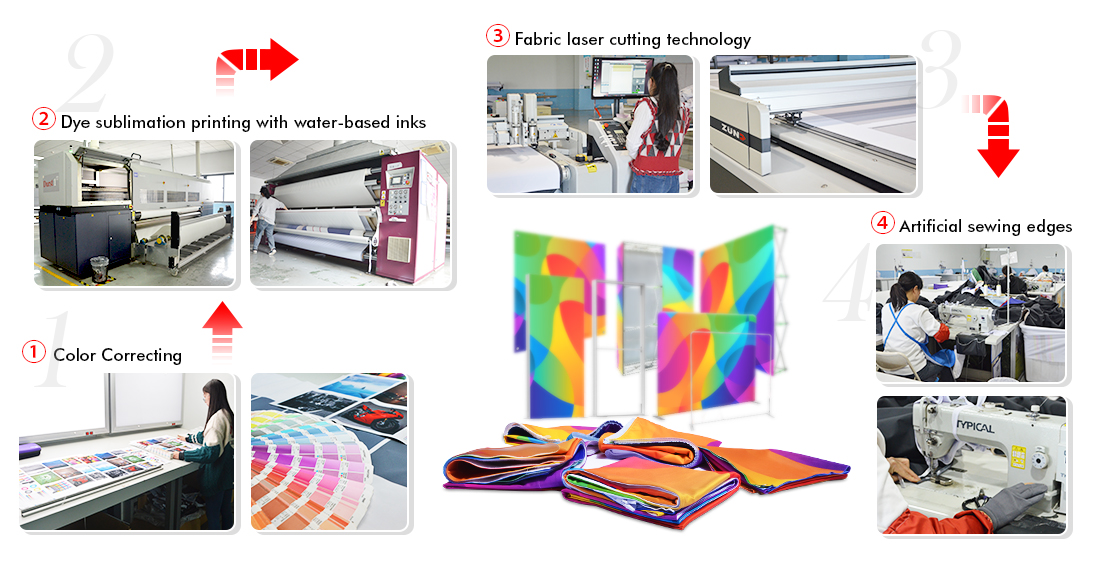
Step 3: Professional Color Specialists Perform Color Calibration
Lintel employs dedicated color calibration specialists. Their job is not to operate the printing machines, but to ensure that the colors displayed on screen, shown on color swatches, and printed on fabric match one another.
The color specialist first produces a sample and compares it against physical color swatches, adjusting the ICC profile curves until the brand colors fall within an acceptable color difference range. Full production begins only after this process.
For projects with strict brand color requirements, customers can provide standard color references or other color specifications in advance so both parties can confirm the applicable color management requirements.
Checking colors before printing helps minimize output variations caused by file settings and color configuration issues.
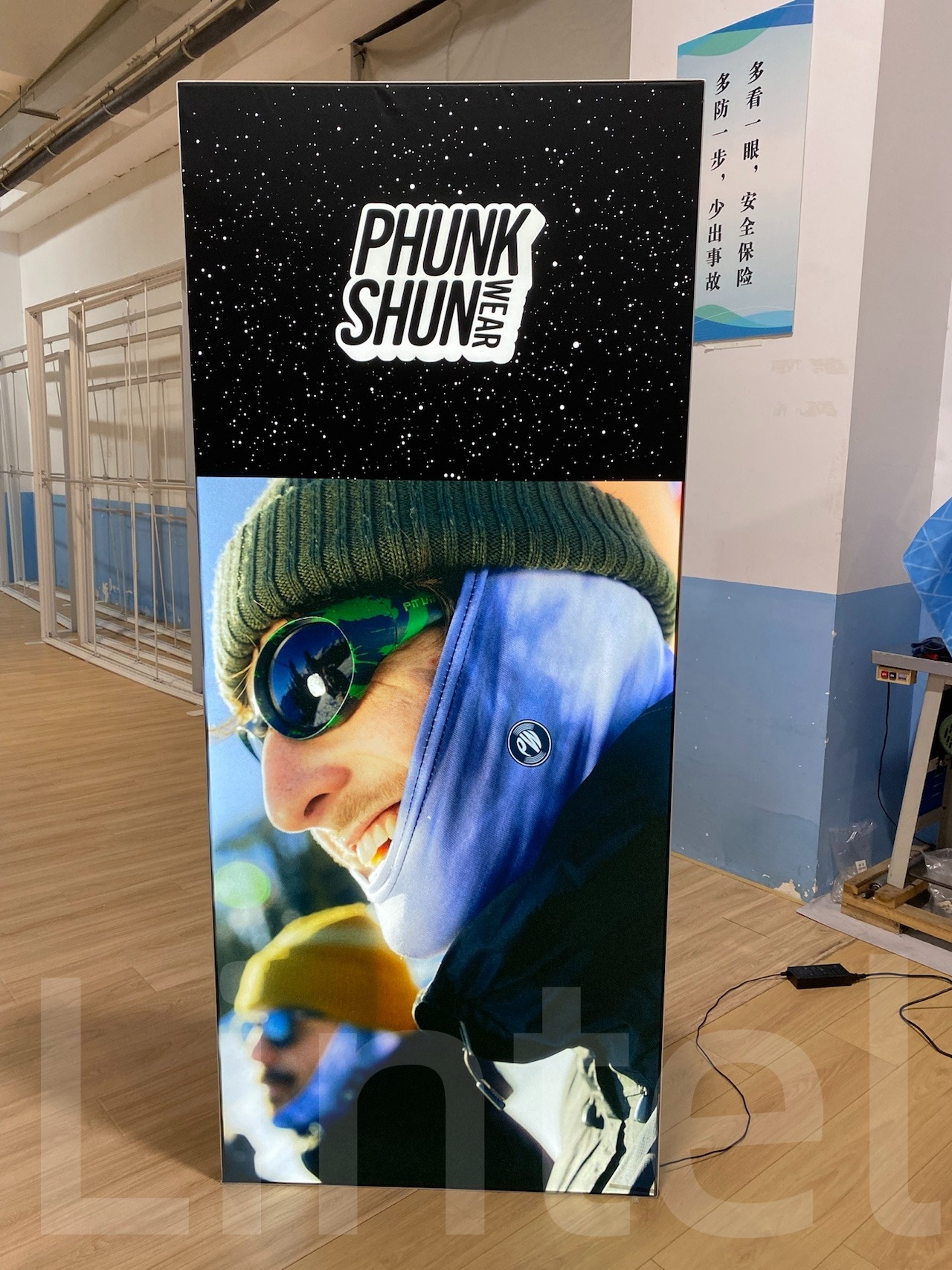
Step 4: Print Graphics Using Imported Professional Printing Equipment
After design approval and color calibration, the artwork enters the formal printing stage.
Lintel uses dye sublimation printing with water-based inks on 100% recyclable polyester fabric, available in widths up to 3,200 mm. Printing machines imported from South Korea and Italy produce fabric graphics according to the requirements of the selected material and process.
Dye sublimation works by heating the dye until it vaporizes and penetrates the polyester fibers, where it becomes fixed. This means the graphics have no surface coating and are less prone to cracking or color flaking at repeatedly folded areas. This is particularly important for display systems transported to multiple events.
Fold the graphic, pack it into a shipping case, and unfold it at the next event. It retains its original appearance. Water-based inks and 100% recyclable polyester fabric also support environmentally conscious and sustainable use, with materials described as harmless to human health.
Advanced printing equipment combined with professional color management helps produce vivid colors and sharp image details. For advertising designs featuring product photography, brand logos, and complex background patterns, high output quality helps enhance the final display.
After printing, the graphics proceed to cutting and edge finishing. By integrating printing with subsequent processing, Lintel provides one-stop production support for finished SEG lightbox graphics.
Step 5: Cut Graphics Using Laser Equipment Imported from Switzerland
After printing, Lintel uses laser cutting equipment imported from Switzerland to process the graphics according to the confirmed dimensions.
This stage focuses on cutting contours, dimensional accuracy, and edge integrity. Under suitable processing conditions, laser cutting can reduce fraying and certain edge issues caused by mechanical contact, providing a clean foundation for subsequent sewing.
For projects involving multiple graphics, consistent cutting dimensions also help improve overall installation compatibility.
Step 6: Sew SEG Silicone Strips Around All Four Edges
After cutting, Lintel sews SEG silicone strips around the entire perimeter of each graphic.
SEG stands for Silicone Edge Graphics. This installation method involves sewing silicone strips onto the edges of flexible fabric graphics and pressing them into dedicated grooves in the lightbox frame. This structure allows the fabric to stretch evenly inside the frame, creating a clean, flat display surface.
During sewing, attention is given to silicone strip positioning, consistency along all four edges, and corner finishing to ensure compatibility with the corresponding frame. Compared with traditional advertising displays that require adhesive or complex fixing structures, SEG graphics are easier to install and remove, making future advertising updates more convenient.
Step 7: Measure Finished Dimensions and Inspect Graphic Quality
After the SEG silicone strips have been sewn, Lintel measures the finished graphics. Inspections cover graphic width and height, edge finishing, silicone strip stitching, and any visible stains, damage, or other appearance issues that could affect use.
This step helps identify potential problems before actual installation, reducing rework caused by incorrect dimensions or abnormal edge finishing. For large lightboxes, continuous brand backdrops, and multi-panel display projects, finished graphic measurement is an important step in maintaining the overall display quality.
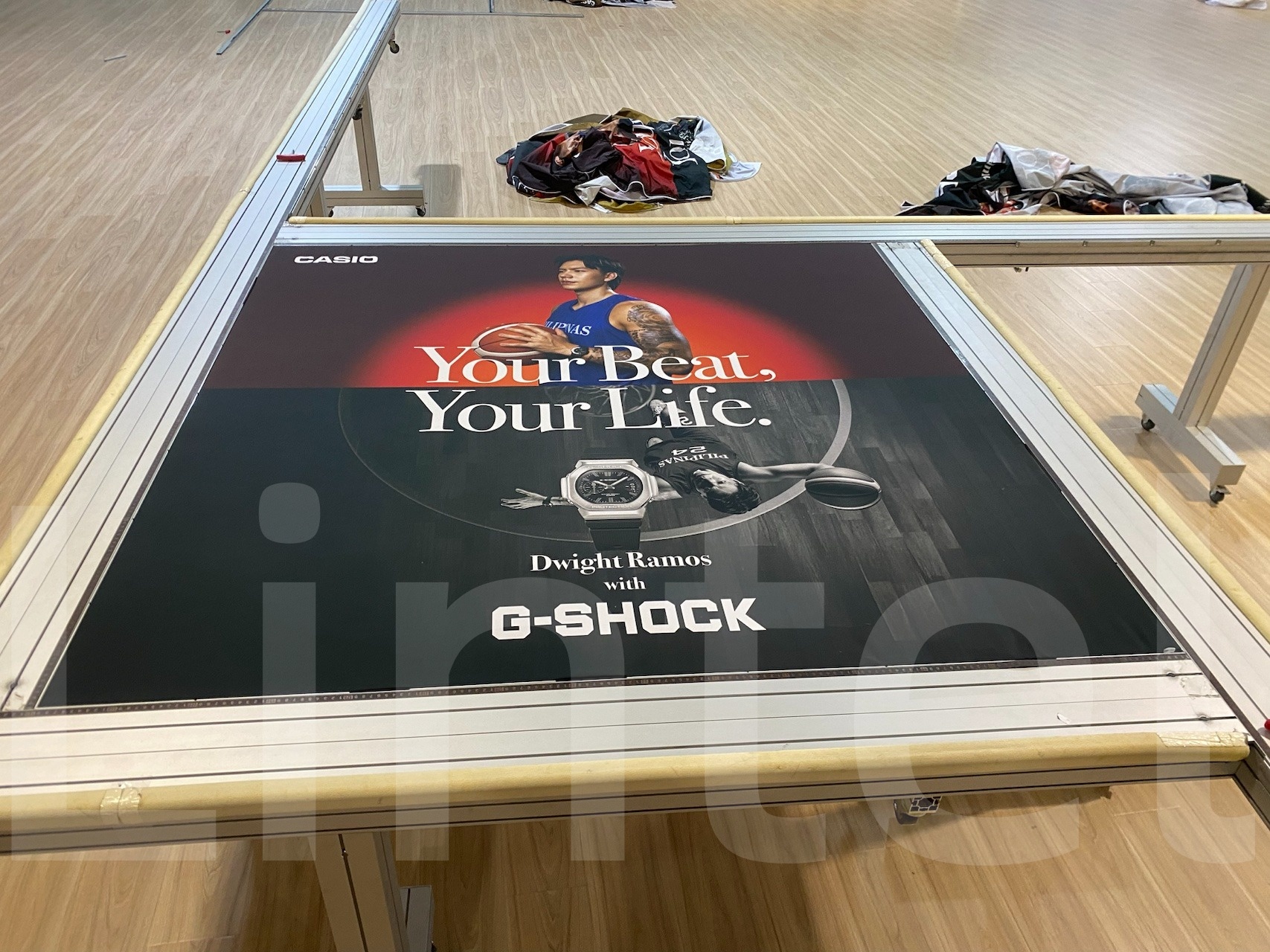
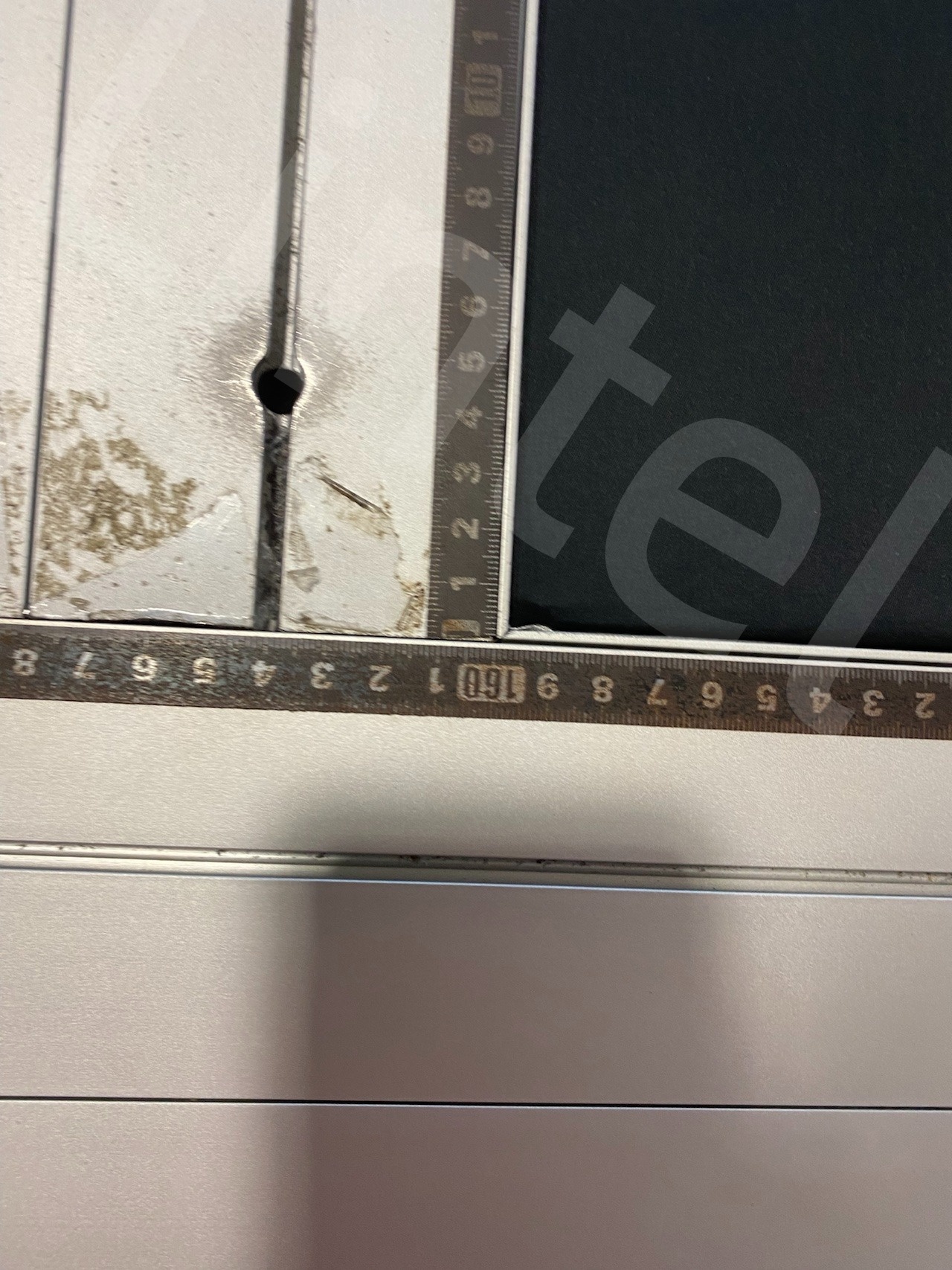
Step 8: Test-Fit the Lightbox, Check Illumination, and Send Photos and Videos for Customer Approval
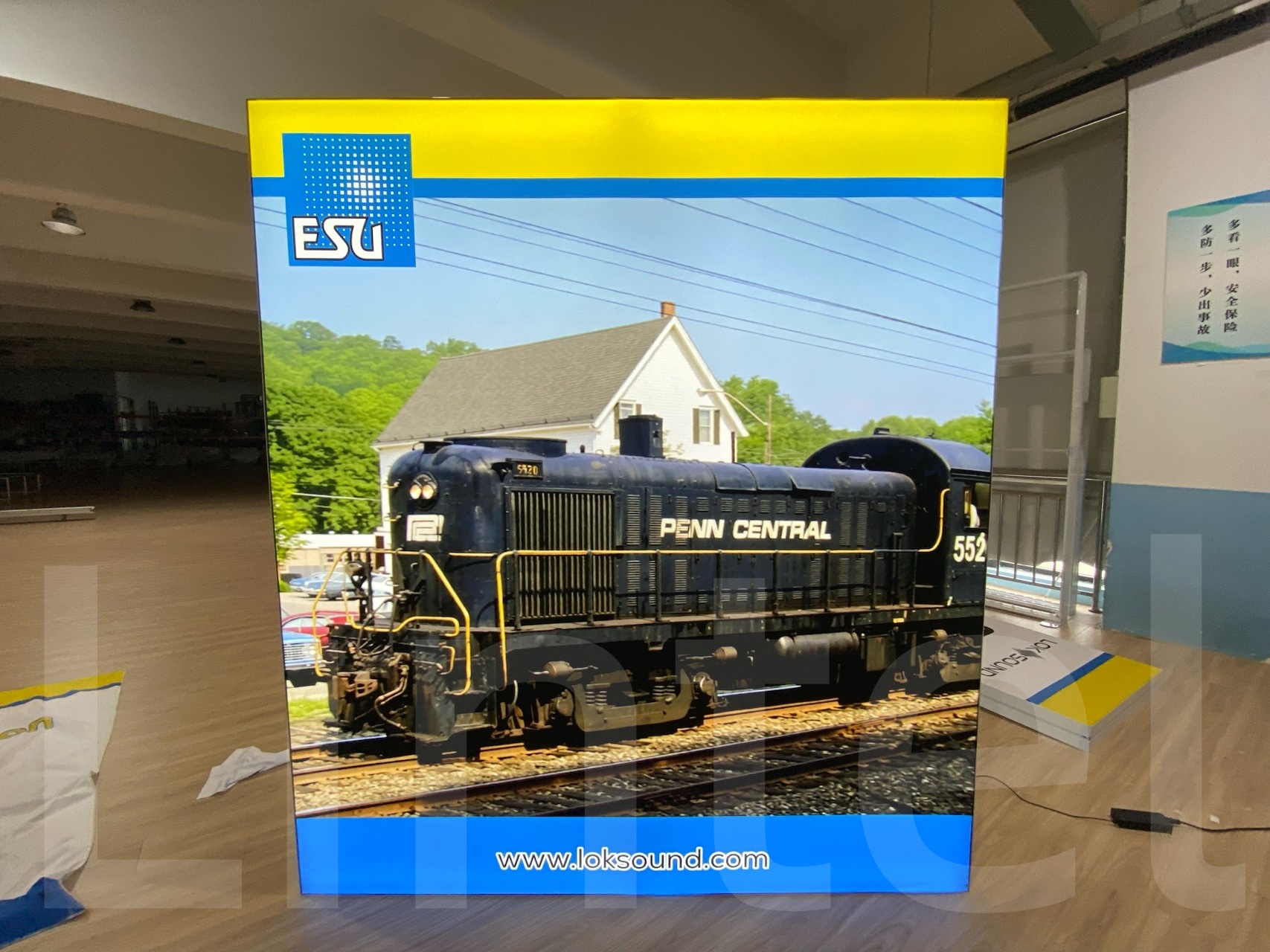
After dimensional inspection, Lintel test-fits the graphics into the corresponding lightbox frame and checks the actual installation and illuminated appearance. Staff examine whether the graphics install smoothly, whether the silicone edges fit properly, whether the fabric remains evenly tensioned, and whether the overall surface is flat.
After switching on the lightbox, the team checks color appearance, image details, overall brightness, and any obvious localized irregularities. Once testing is complete, Lintel takes photos and videos of the finished product and sends them to the customer for final confirmation.
This step is particularly convenient for overseas customers. Without visiting the factory in person, customers can review the graphic finishing, installation, and illuminated visual effects through actual product photos and videos.
By completing physical inspections and remote verification before delivery, Lintel helps customers understand the final product condition more clearly and prepare for shipping, booth installation, and event schedules.
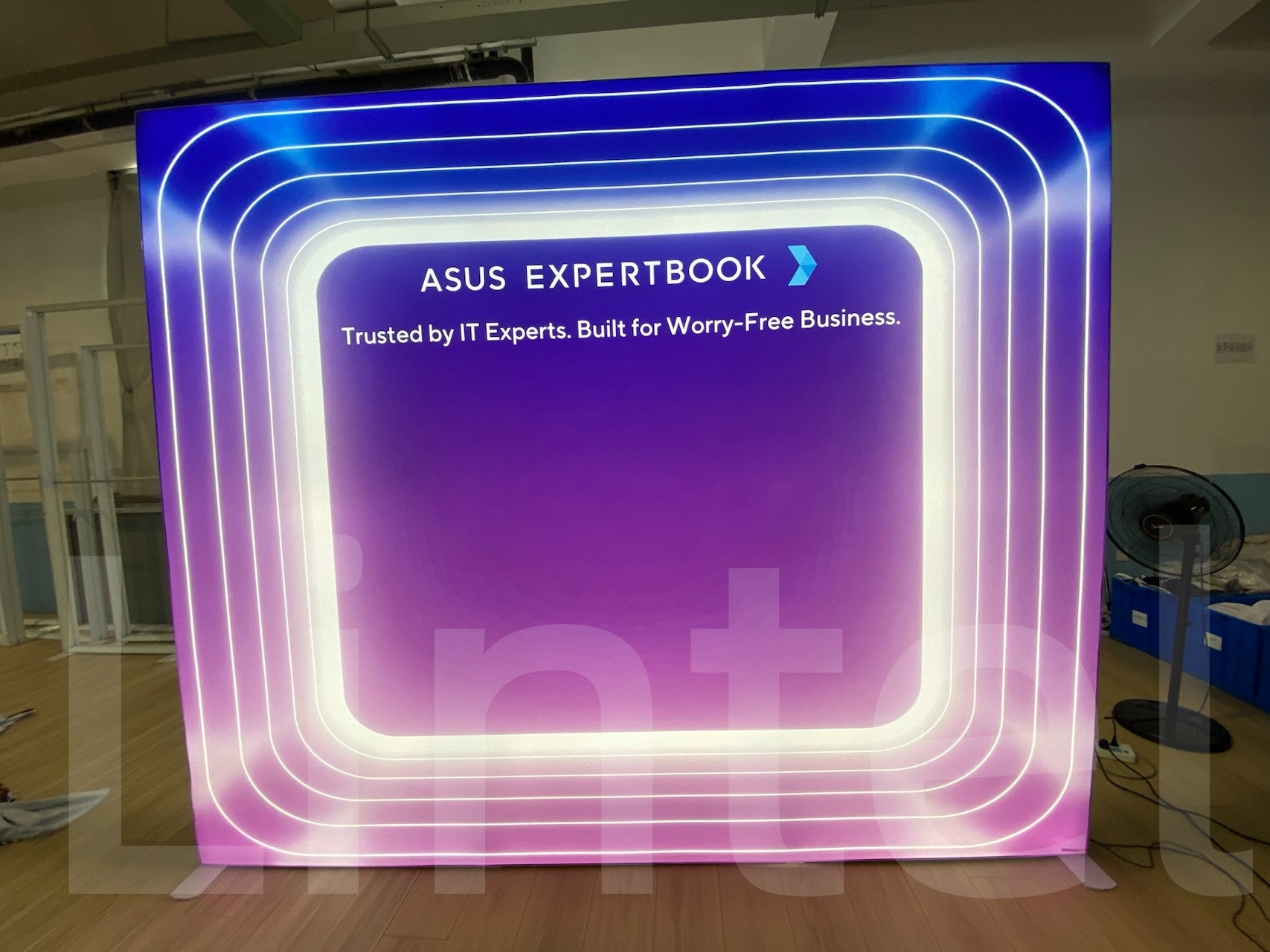
2. Imported Printing Equipment from South Korea and Italy for Vivid, Sharp Brand Visuals
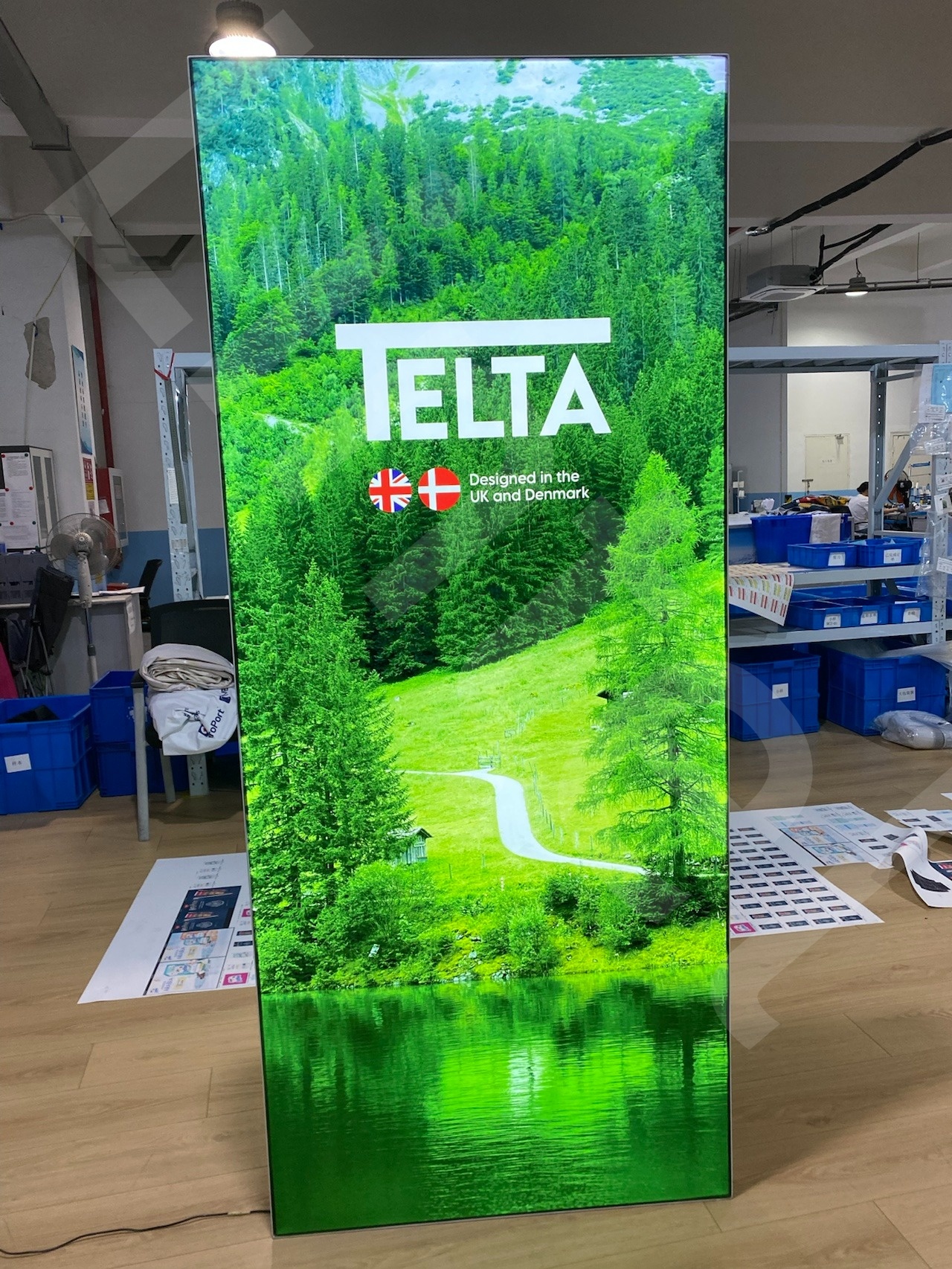
For an LED Fabric Light Box, the printed graphic is more than a piece of fabric carrying advertising content. It is the visual centerpiece of the entire display system.
When LED light shines through the graphic from behind, brand logos, product images, text, and backdrop patterns appear differently from those on ordinary posters. Print colors, image details, and fabric light transmission work together to determine the final visual effect. Lightbox fabric printing therefore requires careful consideration of printing equipment performance, material characteristics, and the requirements of actual backlit display environments.
Lintel uses printing machines imported from South Korea and Italy, combined with professional color calibration, to provide printing services for lightbox graphics in different sizes and applications.
Vivid Color Performance for More Attractive Brand Displays
In brand marketing, color is an important element of brand recognition. Whether displaying corporate colors, product packaging, brand logos, or gradient patterns across a large exhibition backdrop, color reproduction influences how audiences perceive the brand.
Through professional printing equipment and color management procedures, Lintel helps produce vivid colors and rich image layers, allowing product photography, brand graphics, and promotional information to appear clearly.
For customers who need to highlight product appearance, display high-resolution images, or reproduce complex designs, sharp printing details help enhance the professional appearance of the entire lightbox display.
Sharp Images That Preserve Every Design Detail
High-quality lightbox graphics must accurately reproduce the text, patterns, product images, and brand logos contained in the original design files. Lintel uses professional printing equipment to produce fabric graphics and combines pre-print file checks with color calibration to minimize output variations caused by design file or color setting issues.
Whether creating a simple corporate brand backdrop or a retail advertisement containing extensive product information, the graphics need a clear, clean visual appearance to help brands communicate effectively at exhibitions, commercial venues, and retail locations.
Dye-Sublimation Heat Transfer for SEG Lightbox Graphics
Lintel's lightbox graphic product pages list dye-sublimation printing with water-based inks as a primary process, using polyester fabric suitable for lightbox displays. Depending on the specific product and project requirements, Lintel also offers direct injection printing and UV printing options.
Dye-sublimation heat transfer helps fabric graphics achieve vivid colors and rich image details. It is suitable for exhibition backdrops, LED Fabric Light Boxes, retail lightboxes, and commercial displays.
For backlit graphics, printing quality must look sharp not only under ordinary lighting but also under the illumination conditions of an LED lightbox. Lintel therefore integrates printing, cutting, sewing, and subsequent illuminated testing, ensuring that the final result is evaluated beyond the design file or unilluminated fabric alone.
3. Imported Swiss Laser Cutting Equipment for Clean, Precise Graphic Edges
After printing, graphics require precise cutting before proceeding to SEG silicone edge sewing.
For SEG Fabric Graphics, cutting quality affects both appearance and subsequent installation and tensioning. Significant dimensional deviations or uneven, frayed edges may affect silicone strip processing, frame compatibility, and the final display result.
To improve graphic finishing quality, Lintel uses laser cutting equipment imported from Switzerland to process printed fabric.
Laser Cutting to Reduce Fraying and Edge Damage
Traditional cutting methods can be affected by blade condition, material movement, and manual operation. For the precision processing of fabric graphics, Lintel uses professional laser cutting equipment.
Laser cutting uses controlled laser energy to cut materials, reducing certain processing issues associated with direct contact between traditional mechanical blades and fabric. With appropriate equipment settings and material conditions, it helps produce clean cutting edges and reduces the likelihood of fraying and loose fibers along the edges.
For high-quality lightbox graphics, clean edges provide an important foundation for subsequent processing. Once cutting is complete, the graphics can proceed to SEG silicone strip sewing.
Precise Dimensions Support Reliable Installation
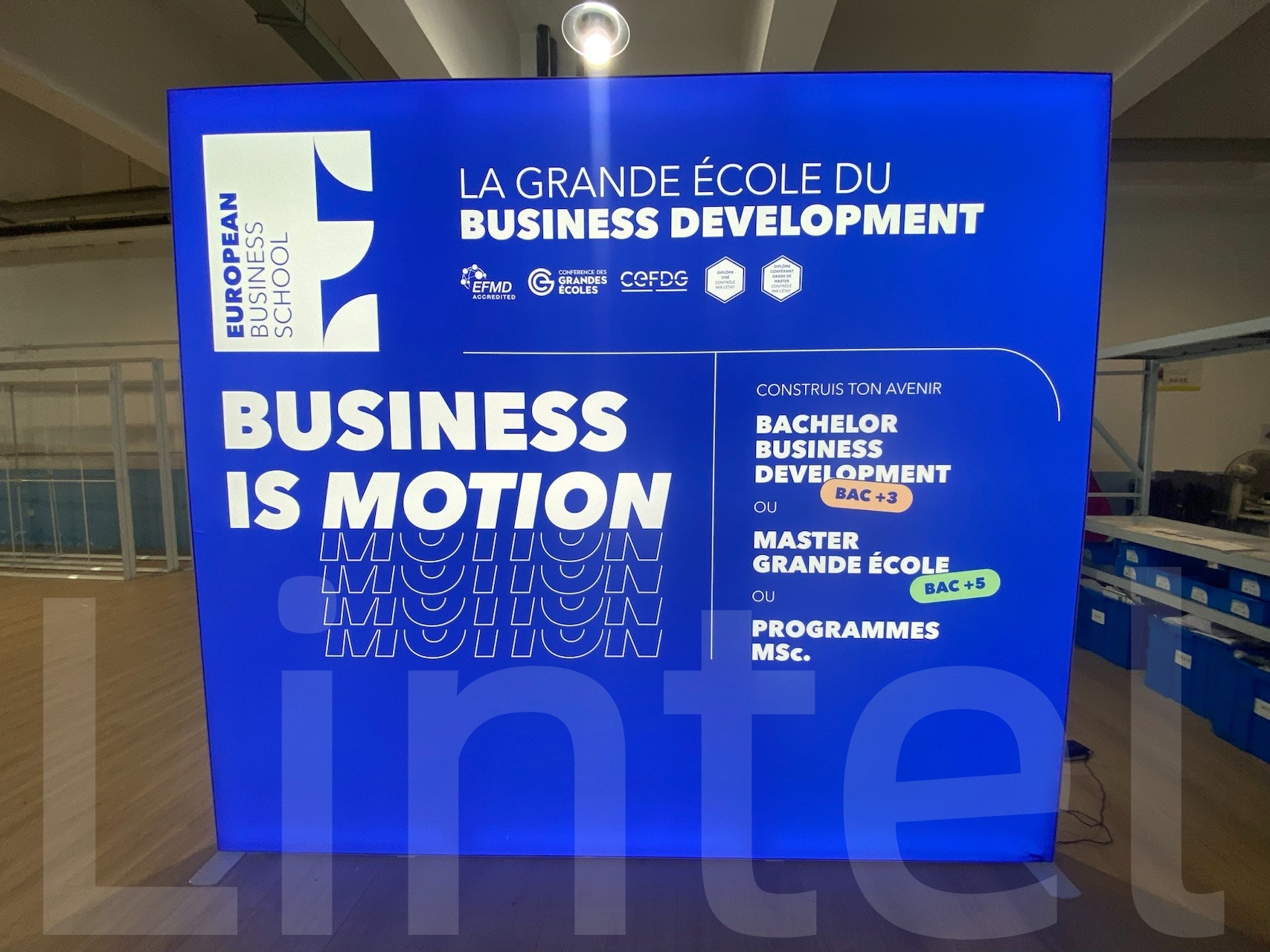
SEG lightbox graphics must match the dimensions and structure of a specific frame. Graphic dimensions affect not only installation but also fabric tension and overall flatness after installation.
Lintel cuts graphics according to customer-approved dimensions and the specifications of the corresponding lightbox. After sewing, the finished graphics undergo another dimensional measurement, ensuring that the production process includes a clearly defined size inspection stage.
For large exhibition backdrops, multi-panel lightbox configurations, and retail display projects, dimensional control is particularly important. Each graphic must match its corresponding frame to help the entire display space maintain a consistent, clean appearance.
By combining professional laser cutting with finished product measurement, Lintel aims to reduce graphic processing deviations and provide a reliable foundation for subsequent installation and illuminated testing.
4. DIN 4102 Class B1 Flame-Retardant Graphics for Added Protection in Commercial Displays
Major exhibition venues across Europe, the United States, and the Middle East have specific requirements for the fire performance of exhibition materials. Some venues conduct spot checks across individual booths on setup days.
A lightbox consists of two fundamentally different materials: the frame and the graphic. Each requires separate certification, and neither should be overlooked.
In exhibitions, conferences, retail stores, and indoor brand events, the flame-retardant properties of display materials are an important consideration when selecting products.
Lintel's lightbox graphics receive flame-retardant treatment and have passed DIN 4102 Class B1 fire testing. The relevant product description is:
DIN 4102 Class B1 Flame-Retardant SEG Fabric Graphic
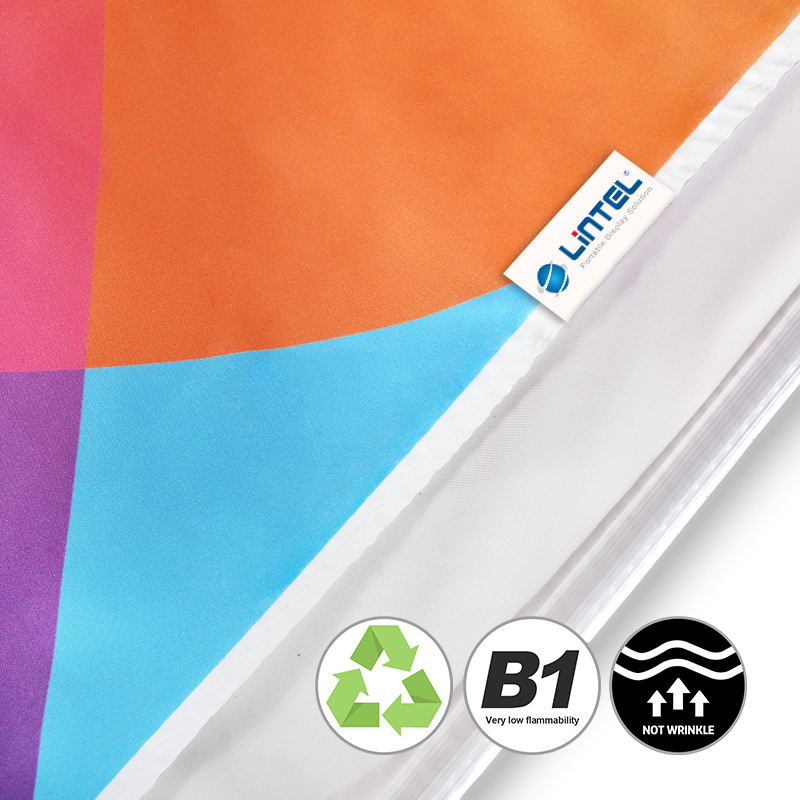
B1 is a flame-retardant classification within the German DIN 4102 standard system, indicating a material classified as difficult to ignite. It serves as a material requirement recognized by many European exhibition venues and also means the material is safe during storage and transportation.
For exhibition contractors, event planning companies, and brand customers who must meet specific venue fire safety requirements, understanding the flame-retardant properties of display materials helps with project selection and document preparation.
In actual applications, customers should still confirm material suitability according to the requirements of the exhibition organizer, the regulations of the intended venue, and local fire safety codes. For projects requiring specific test documentation, customers are advised to confirm the relevant test reports and applicable scope with Lintel before purchasing.
Flame-retardant treatment does not mean a material is completely non-combustible, nor does it replace on-site fire safety management. By clarifying material performance and usage requirements, customers can make more appropriate choices for commercial display environments.
5. Easily Replace Lightbox Graphics and Adapt One Display System to Multiple Marketing Campaigns
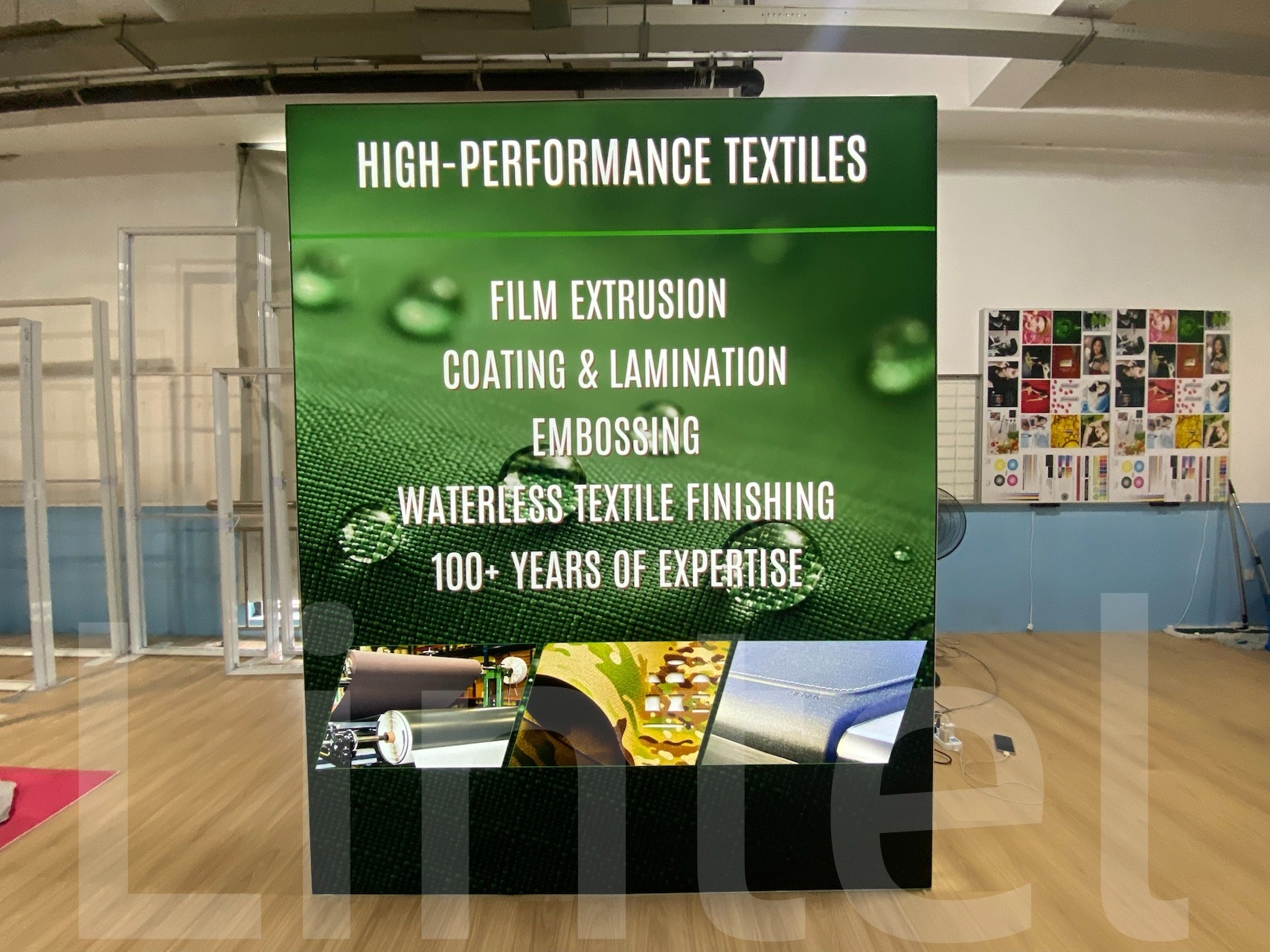
Advertising content often changes with brand marketing plans. New product launches, seasonal promotions, Black Friday, Christmas campaigns, annual trade shows, and brand identity updates may all require different visual designs.
If customers must purchase an entirely new lightbox frame every time they update their advertising, costs can increase alongside transportation, storage, and equipment management demands.
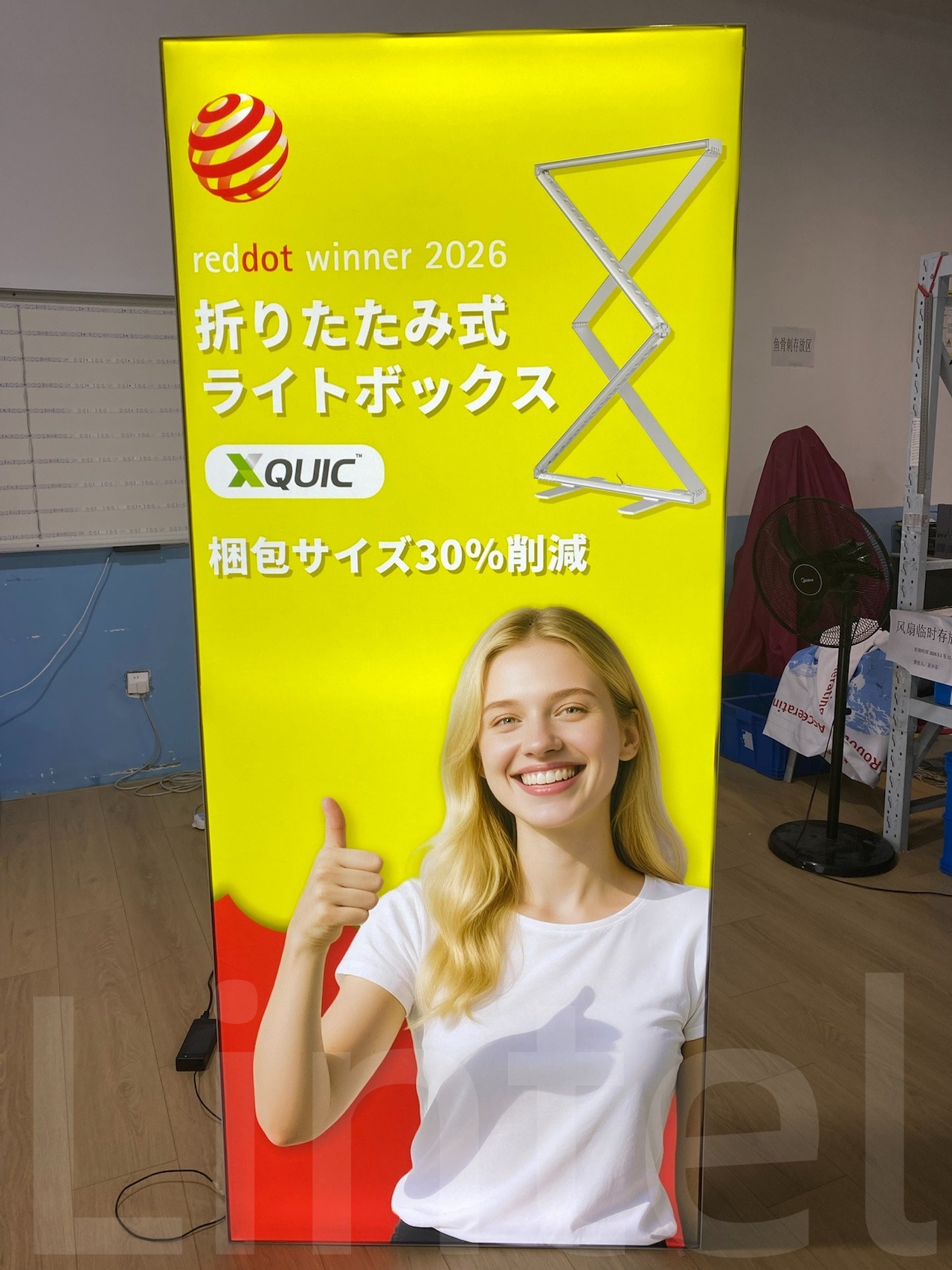
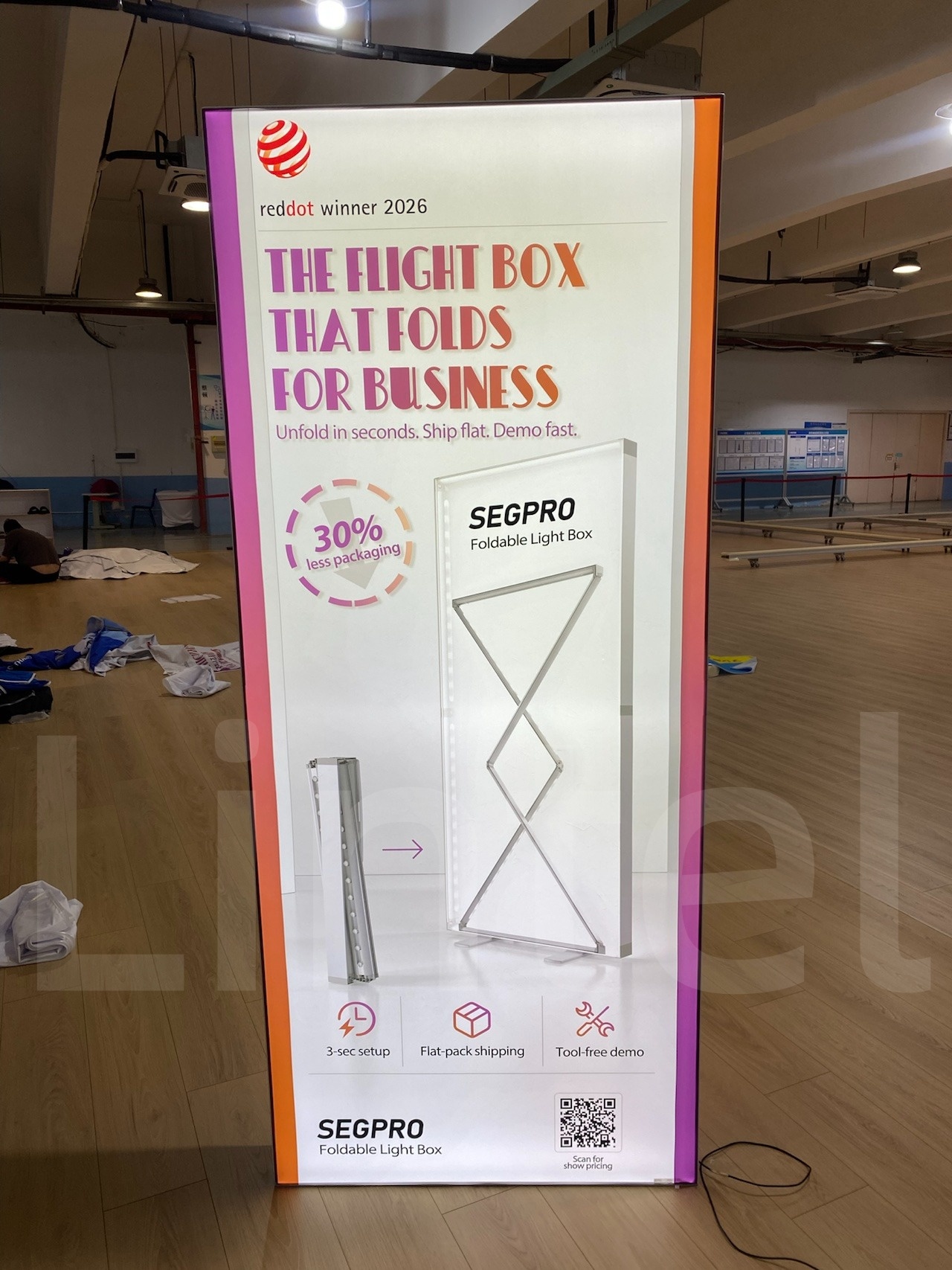
Lintel SEG lightbox graphics use a removable silicone edge structure. As long as the new graphic is compatible with the existing lightbox frame, customers can retain the original frame and replace only the printed graphic.
For exhibition contractors and booth builders, this means retaining lightbox frames while ordering new graphics tailored to different customers and trade show themes.
For advertising production companies and printing service providers, existing lightbox equipment creates opportunities to offer ongoing graphic printing and replacement services, expanding future business.
For retail stores, graphics can be updated for spring product launches, summer promotions, Black Friday, Christmas, and other marketing occasions, allowing store visuals to reflect current campaign themes.
For brand marketing teams, the same compatible lightbox system can serve different exhibitions, product launches, and promotional events. Replacing the graphics updates the visual presentation while reducing the need to purchase display frames repeatedly.
This replaceable design improves display flexibility and helps reduce unnecessary material consumption, allowing customers to plan long-term display projects more efficiently.
6. One-Stop Printing Services to Simplify Production and Procurement for B2B Customers
For overseas B2B customers, lightbox graphic procurement involves more than printing. It also includes design file approval, color management, dimensional processing, silicone edge sewing, installation compatibility, and final quality inspection.
When different suppliers handle these stages separately, customers may need to transfer files and production requirements repeatedly between multiple teams. Any mismatch in dimensions or processes can increase communication costs and the risk of rework.
Lintel provides one-stop services covering design, printing, cutting, sewing, and finished product inspection. Imported printing equipment from South Korea and Italy works alongside laser cutting equipment from Switzerland, supported by professional color calibration and finished product test-fitting. Together, these capabilities provide comprehensive production support for lightbox graphics.
For exhibition contractors, advertising production companies, printing service providers, and lightbox distributors, this service model simplifies project communication and provides a unified production contact for graphics in different sizes, designs, and applications.
Before placing an order, customers can provide their SEG lightbox dimensions, graphic dimensions, design files, required quantities, and intended applications. Lintel can then confirm the appropriate materials, printing processes, finishing requirements, and delivery arrangements.
7. Professional Printing Processes Help Every Lightbox Graphic Present Brand Value
High-quality SEG lightbox graphics depend on advanced equipment, professional color management, precise edge finishing, and comprehensive finished product inspection.
Lintel uses printing equipment imported from South Korea and Italy and laser cutting equipment imported from Switzerland. Combined with a complete production workflow covering design approval, color calibration, printing, cutting, silicone edge sewing, dimensional measurement, and illuminated testing, these capabilities support the production of lightbox graphics with vivid colors, sharp images, clean edges, and reliable installation compatibility.
Flame-retardant graphics tested to DIN 4102 Class B1, convenient SEG silicone edge installation, and a design that supports quick advertising replacement also provide greater flexibility for exhibitions, retail environments, and commercial marketing campaigns.
Whether you need a new illuminated backdrop for an upcoming international trade show, promotional graphics for a retail store, or replacement graphics for an existing lightbox system, Lintel can provide corresponding lightbox fabric printing and finishing services according to your project requirements. Email: [email protected]