


 EN
EN
 AR
AR
 FR
FR
 DE
DE
 JA
JA
 KO
KO
 PT
PT
 RU
RU
 ES
ES
 DA
DA
 FI
FI
 NO
NO
 SV
SV
 TL
TL
 BG
BG
 HR
HR
 CS
CS
 NL
NL
 EL
EL
 HI
HI
 PL
PL
 RO
RO
 IW
IW
 SR
SR
 SK
SK
 SL
SL
 UK
UK
 VI
VI
 SQ
SQ
 ET
ET
 HU
HU
 MT
MT
 TH
TH
 MS
MS
 GA
GA
 IS
IS
 AZ
AZ
 KA
KA
 BN
BN
 MN
MN
Why SEG Fabric Light Boxes are Dominating Trade Shows in 2026: A Complete Buyer’s Guide
On January 1, 2026, CBAM entered its definitive payment phase. EU importers must now submit previous year declarations by May 31 annually. They must pay for "excess carbon emissions" in their products. This policy impacts importers using traditional exhibition booths made of primary aluminum, heavy steel, or single-use wood. High embedded carbon emissions lead to expensive carbon tax compensations. Eco-friendly, CBAM-compliant trade show stands are now an inevitable trend.
From Rising Labor Costs to ESG Mandates: How Lintel’s SEGPRO Series is Solving the Modern Exhibitor’s Greatest Pain Points.
1. Industry Policies
In 2026, exhibitions are not just about booth styles and immersive interactions. They must be eco-friendly and sustainable, improve ESG scores, and reduce CBAM costs.
①Surging Import Costs: Since 2026, CBAM (carbon tax) has applied to imported high-carbon products like aluminum and steel. Traditional exhibition booth uses primary aluminum or heavy steel. Highly embedded carbon emissions lead to high carbon tax compensations, directly increasing import costs for EU customers.
②Complex Declaration Procedures: Buyers must prioritize manufacturers providing detailed carbon footprint data. This data is necessary for "Carbon Emission Reports." Failure to declare leads to punitive fines.
③Compliance Pressure (ESG): Large European enterprises have strict green procurement standards. Non-eco-friendly, non-recyclable traditional stands hurt ESG scores. This may even cause companies to lose exhibition eligibility.
2. Comparative Analysis: Traditional Booths vs. Lintel SEGPRO Light Boxes
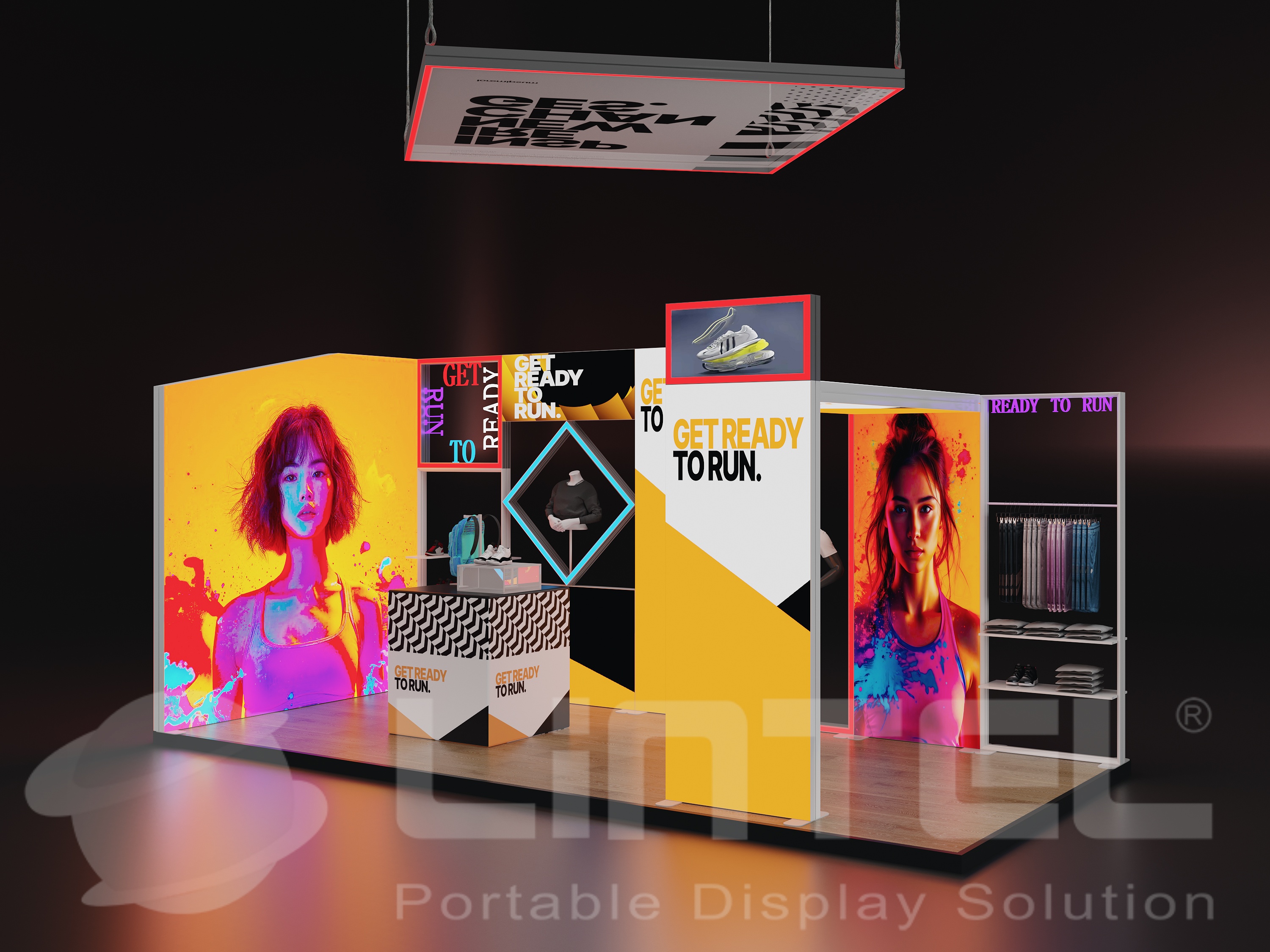
Traditional wood or heavy aluminum booths are being replaced by SEG Light Box Booths. SEG Light Boxes now offer multifunctional, multi-combination solutions. Features like lightweight design, portability, and tool-free assembly help importers overcome the "Heavy = Expensive = Strong" misconception.
| Traditional Wood / Heavy Aluminum Booths | Lintel SEGPRO Light Box Solution | |
| Carbon Emissions / CBAM | High: Uses much new metal or single-use wood. Large carbon footprint. High tax costs. | Low: Uses 75% recycled aluminum. Lower carbon value. Lower CBAM tax. High-temp PVC is available with no CBAM tax. |
| Reuse Rate | Many wood parts are single-use. They become trash after the show. This adds carbon waste. Only for non-EU countries or one-time shows. | Modular frames last 6 years. This helps your ESG score. High-temp PVC frames and fireproof SEG Graphics will not deform with long-term use. |
| Logistics Energy | Large and heavy. Transport creates high fuel carbon emissions. | Aluminum and PVC frames disassemble. A 3x6m booth fits in 3 Trollay Oxford Bag for storage and transport. |
| Certification Support | Hard to provide CBAM carbon proof. Single-use wood booths do not meet green rules. | Provides ISO14001, CE, RoHS, REACH papers. Passed SMETA audit. Helps customers finish CBAM reports. |
| Labor Costs | Needs extra money for labor and setup. Needs many people build it . Setup time is long. | Lintel SEG Light Box has a global patent. It supports tool-free modular assembly. Two people can finish a 3x6m booth in 1 hour. |
Traditional Wood/Heavy Aluminum Booths:
①Advantages: Extreme customization; single-use; supports double-deck booths. No need to consider storage or maintenance after disposal. Some customers feel "Heavy = Expensive = Strong" and fear lightweight stands look "cheap" or "weak."
②Disadvantages: High setup and labor costs; high venue cleaning fees; heavy, bulky, high transport costs; non-eco-friendly; fails CBAM and ESG requirements.
Lintel SEGPRO Light Box Booth:
①Advantages: Tool-free modular structure saves labor and transport costs. 75% recycled aluminum or 100% recyclable PVC frames save or avoid CBAM (carbon tax) fees. Diverse solutions; pairs with retail displays and RGB Frames. High-brightness LED ensures vivid fabric colors without shadows or dark spots. RGB dynamic light sources attract more attention.
②Disadvantages: Cannot build double-deck booths like heavy aluminum; maximum height limited to 4 meters.
Summary: Traditional booths suit exhibitors who ignore ESG scores, attend one show per year, or require extreme height. Lintel SEGPRO suits frequent exhibitors or rental companies. It offers higher cost-performance, diverse designs, and meets customization and green requirements.
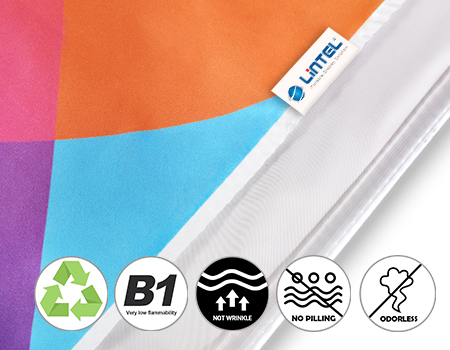
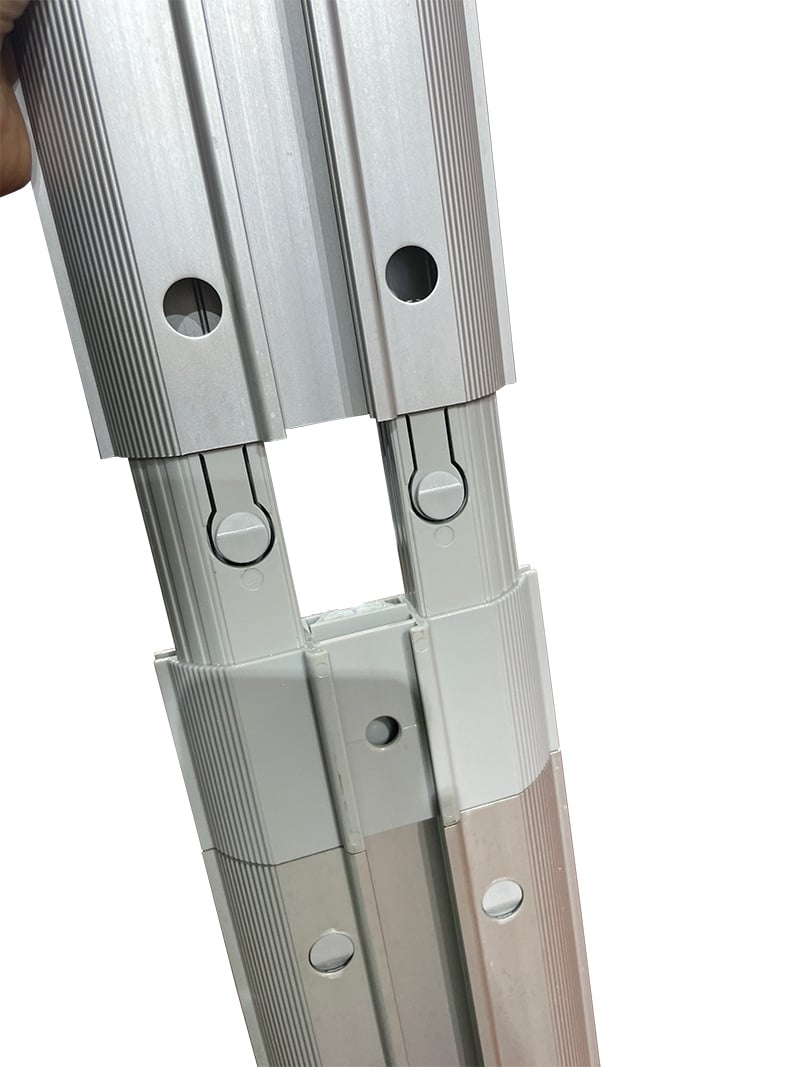
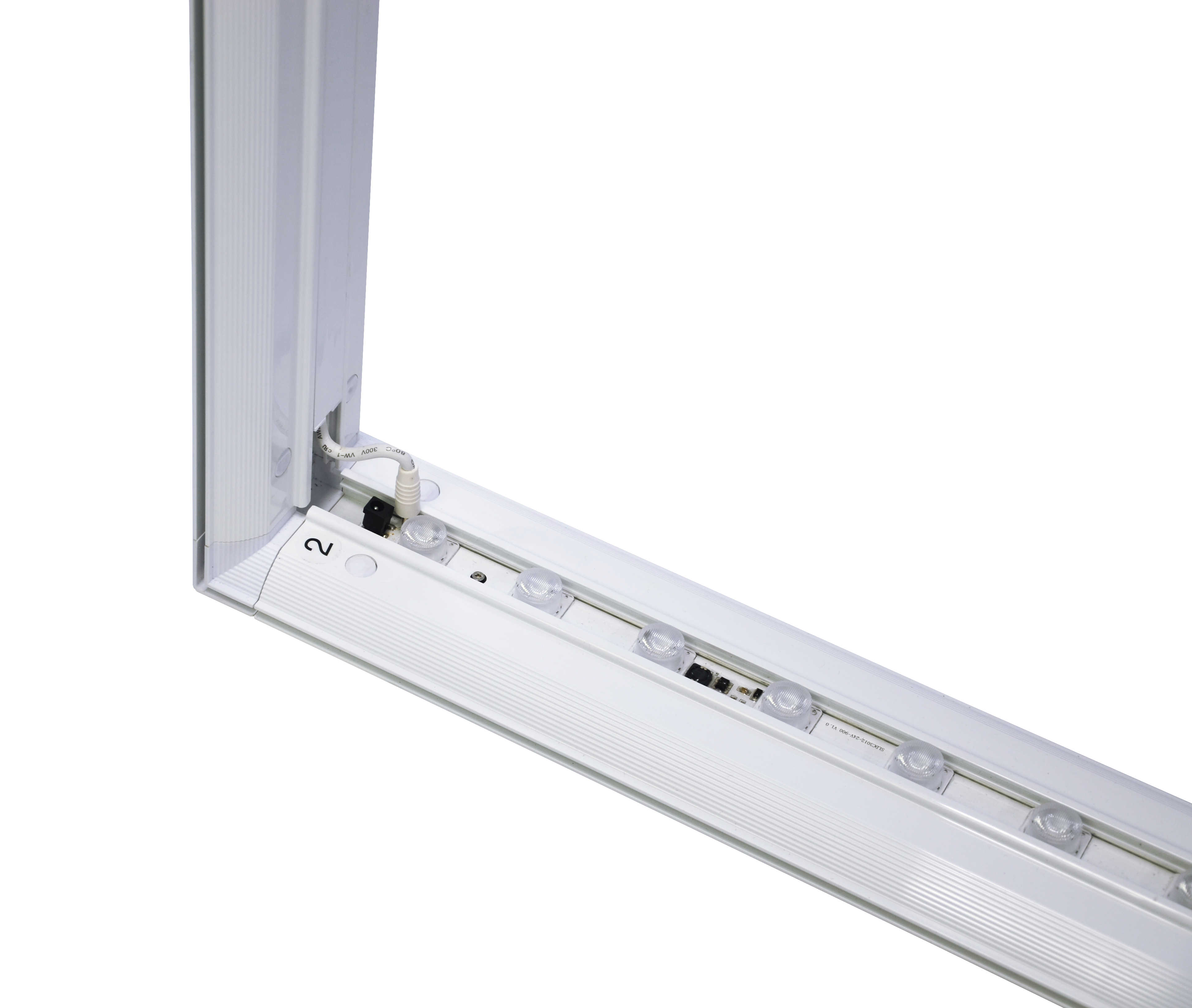
The CBAM carbon tax in 2026 and labor shortages are the main reasons for the shift from traditional stands to SEG light box booths. Wood stands are beautiful, but "Net Zero" and rising labor costs make them a major expense. Tax and maintenance fees reduce profits. SEGPRO booths offer high cost-performance, zero waste, and tax benefits, making them a better "haven."
3. How Lintel SEG Light Box Booths Win B2B and B2C Customers?
3.1. B2B Customers (Exhibition Rental companies/resellers/designers, etc.)
①Save Setup Costs: Global labor costs are rising in 2026. SEG Modular Light Boxes require no professional electricians or carpenters. Assembly is like building blocks—fast and labor-saving.
②Reduce Logistics and Storage: Traditional booths are bulky and require expensive shipping and storage. Business is often limited locally. SEG Modular Light Boxes disassemble without tools. They fit in car trunks, lowering shipping costs and expanding markets.
③Solve Visual Sameness: The lighting inside the trade show is complex, and the inkjet printing on wooden exhibition booths is prone to glare and appears dim. Lintel uses high-brightness, low-energy LEDs to maximize fabric color. RGB Frames add dynamic lighting effects.
④High Market Competitiveness: Lintel holds 80+ patents and 10 invention patents. A professional R&D team provides 1-2 new products annually. A professional legal team handles patent infringement or copying, ensuring market competitiveness.
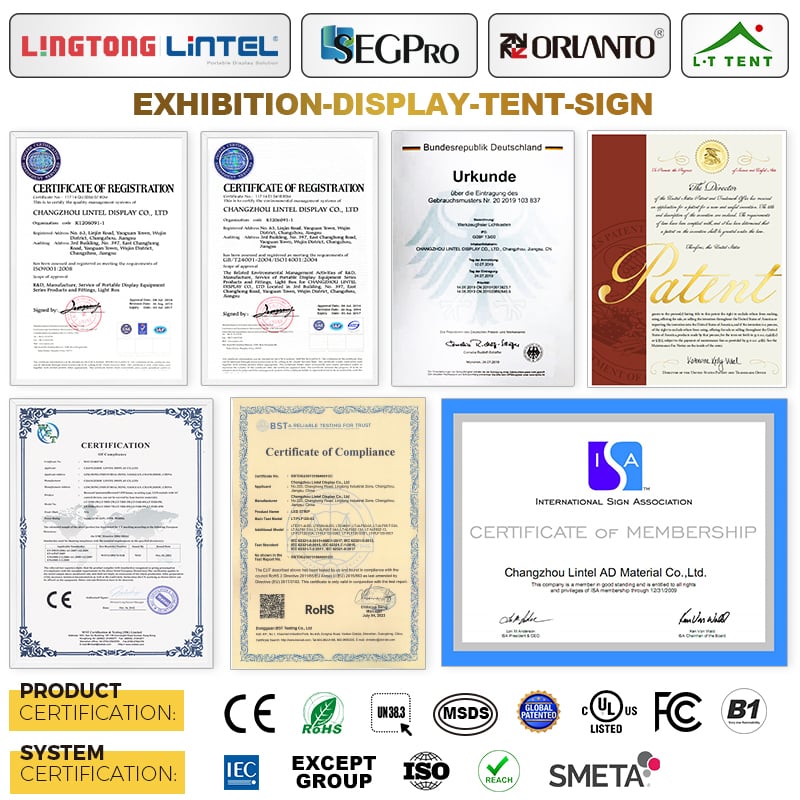
⑤Complete Certification: Lintel has nearly 40 years of global experience. Passed ISO14001, ISO9001, IEC, EXCEPT GROUP, REACH, and SMETA audits. Products hold CE, RoHS, UN38.3, MSDS, and B1 Fire Ratings. These help pass customs checks and CBAM declarations.
3.2. B2C Customers (Personal users, retail shops, small event organizers)
①Lower Operation Barrier: Non-professionals find complex wiring and aluminum assembly difficult. Lintel pre-installs most power lines inside frames. Only large SEG light boxes need extra AC connections at pre-set positions. PVC frames are even lighter; 2 people can finish the entire booth.
②Fast Brand Ad Updates: Retail shops and small event organizers need fast graphic changes. SEG light boxes allow tool-free fabric removal and installation. No need to ship frames back to the factory. We provide graphic templates for local printing. Lintel’s network in 150+ countries helps connect you to local printers.
③Durable and Cost-Effective: Retail shops need long-term use. Lintel PVC frames and SEG Graphics use flame retardants (B1 fire test). They resist deformation and shrinkage. High-temperature heat transfer printing lasts up to 6 years without fading. Low-energy LEDs last 50,000 hours.
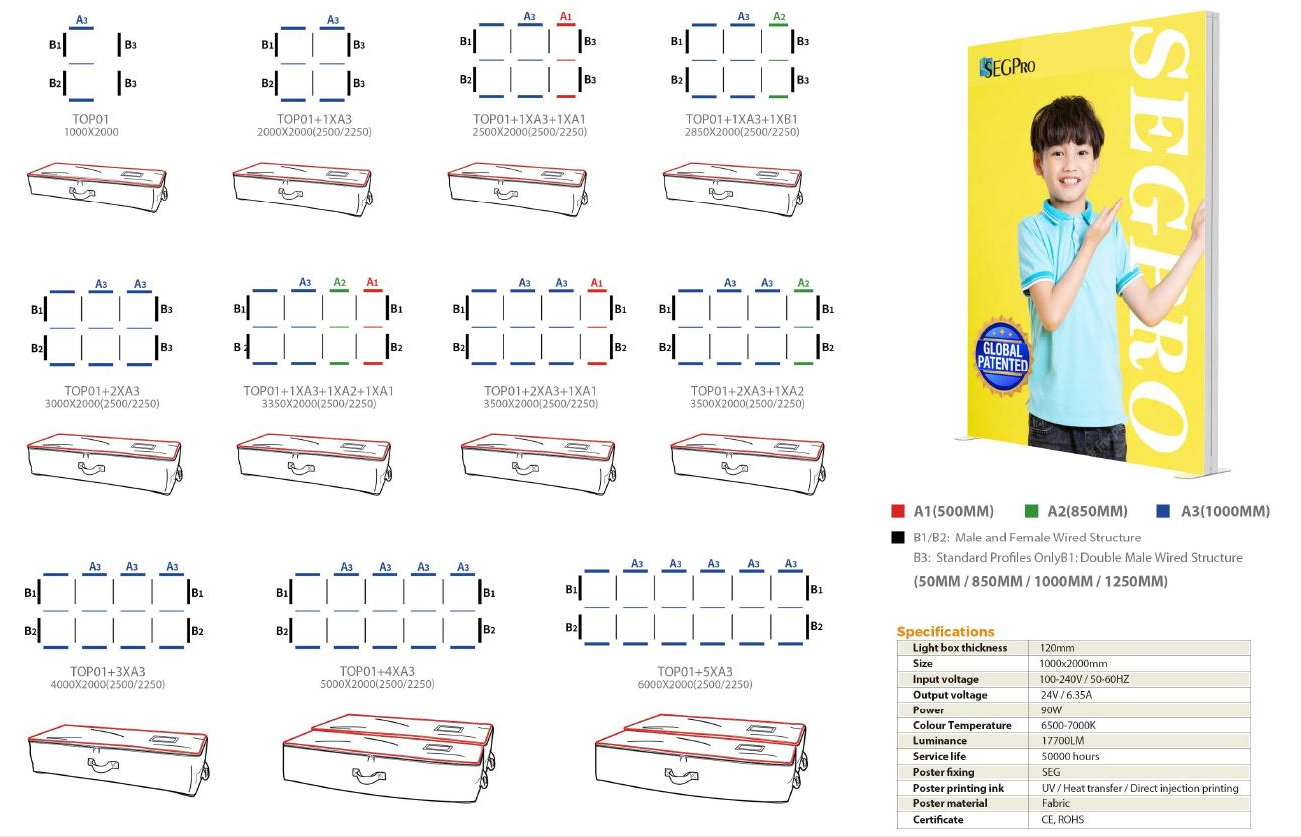
④Low Maintenance: Lintel’s modular design uses 1m or 1.25m sections. You only replace broken sections, not the whole frame. Users can replace LED strips themselves. No professional maintenance is needed, saving costs.
In 2026, European trade shows are "green competence" tests. CBAM makes traditional high-carbon stands a financial burden. Lintel’s 75% recycled aluminum frames are a financial shield against 2026 carbon taxes. Lintel’s PVC frames and SEG Graphics use 100% recyclable materials. They are eco-friendly and avoid CBAM taxes. EU ESG scores value the "Lifecycle." Customers report Lintel PVC frames lasting 6 years. Frequent exhibitors find them easy to transport and store. This fits the European "Circular Economy." Since they require no CBAM reporting, they provide a simple, zero-tax path for sustainable exhibitions.
If you would like to learn about different solution options for lightbox booths, catalogs, and price lists, please contact Lintel at [email protected]
FAQ:
Q1: Why is CBAM a critical concern for European exhibitors in 2026?
A1: Starting January 1, 2026, the EU’s Carbon Border Adjustment Mechanism (CBAM) moved into its definitive levy phase. Importers of high-carbon products (like primary aluminum and steel) must now pay for their "embedded carbon emissions." Traditional heavy booths can lead to unexpected tax bills. Choosing Lintel’s eco-friendly booths helps minimize or even eliminate these costs.
Q2: Does Lintel’s PVC light box frame fall under the CBAM tax category?
A2: No. Currently, CBAM primarily targets aluminum, steel, cement, and electricity. Since the SEGPRO PVC light box frame is made of high-quality engineering plastics (ABS/PVC), it is currently exempt from CBAM reporting and carbon taxes. It offers the simplest "Zero-Tax" path for European importers.
Q3: How do Lintel products help improve my company’s ESG score?
A3: ESG scores heavily weigh "Environmental Impact" and "Circular Economy." Our products help in three ways:
Material: Using 75% recycled aluminum light box frame or 100% Recyclable PVC light box frame and SEG fabric graphic
Lifecycle: Modular frames that last up to 6 years instead of being single-use.
Recyclability: 100% recyclable PVC and fabric materials. This data directly boosts your "Green Procurement" metrics.
Q4: Is the lightweight SEGPRO light box strong enough compared to traditional booths?
A4: Yes. While lightweight and portable, our patented structure's high-temperature-resistant PVC frames are Sturdy. They support booths up to 4 meters high. The "Heavy = Strong" era is over; modern modular structure provides high stability without the unnecessary weight of traditional stands.
Q5: Can I really assemble a 3x6m booth without professional help?
A5: Absolutely. Our global-patented "Slid in and lock" modular structure requires no tools. The wiring is pre-installed inside the frames. Two people can complete a standard 3x6m booth setup in about 1 hour.
Q6: What happens if I need to update my brand graphics for different events?
A6: This is a core advantage of the SEG (Silicone Edge Graphics) system. You can easily peel off the old fabric and press in new graphics in minutes—no tool or expert needed. You don’t need to ship the frames back; we provide graphic templates for local printing, or you can use our overseas warehouse.
Q7: What is the expected lifespan and maintenance cost of a SEGPRO light box?
A7: Our frames are built to last. Customer's report using the light box frame for over 6 years. The low-energy LED strips have a lifespan of 50,000 hours. Because of the modular design, if one section is damaged, you only replace that specific 1m or 1.25m light box frame, not the whole booth, keeping maintenance costs low.
Q8: Can Lintel provide the necessary documentation for customs and carbon audits?
A8: Yes. Lintel provides a complete certification package, including ISO14001, CE, RoHS, REACH, and SMETA audit reports. We can assist your logistics team with the carbon footprint data required for CBAM declarations.