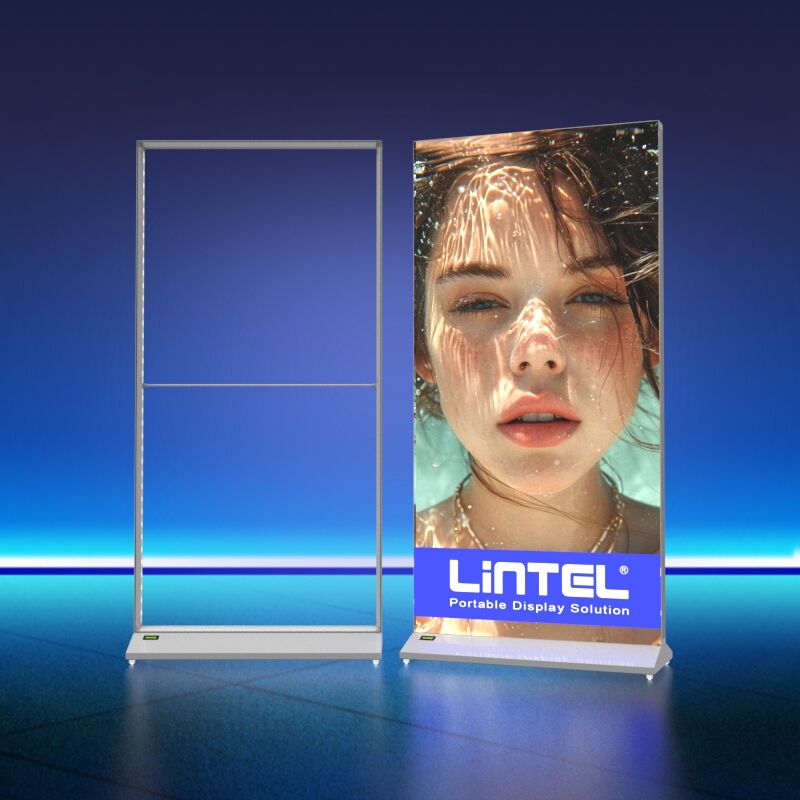
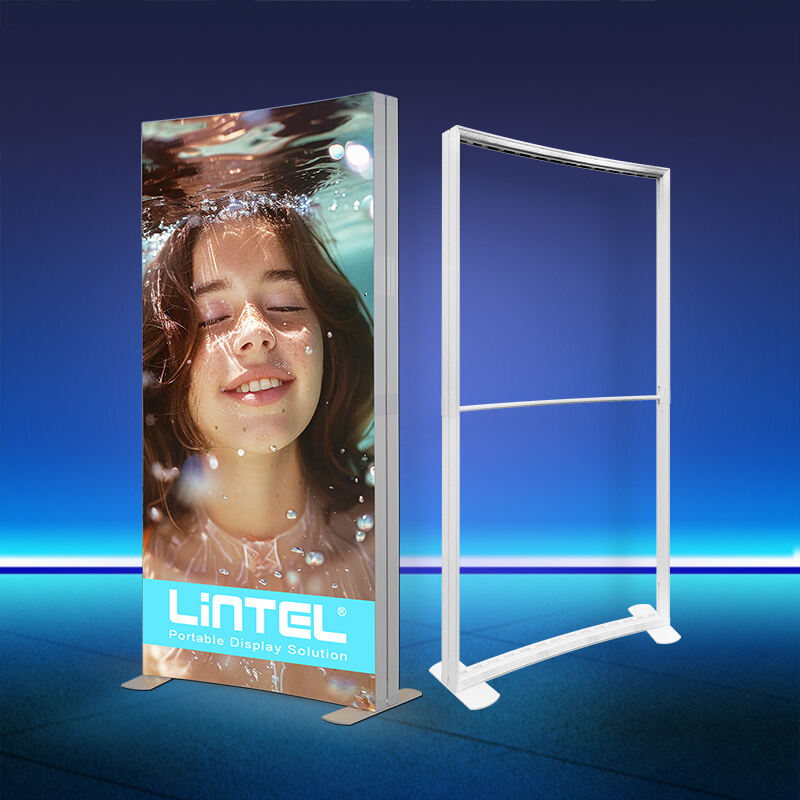
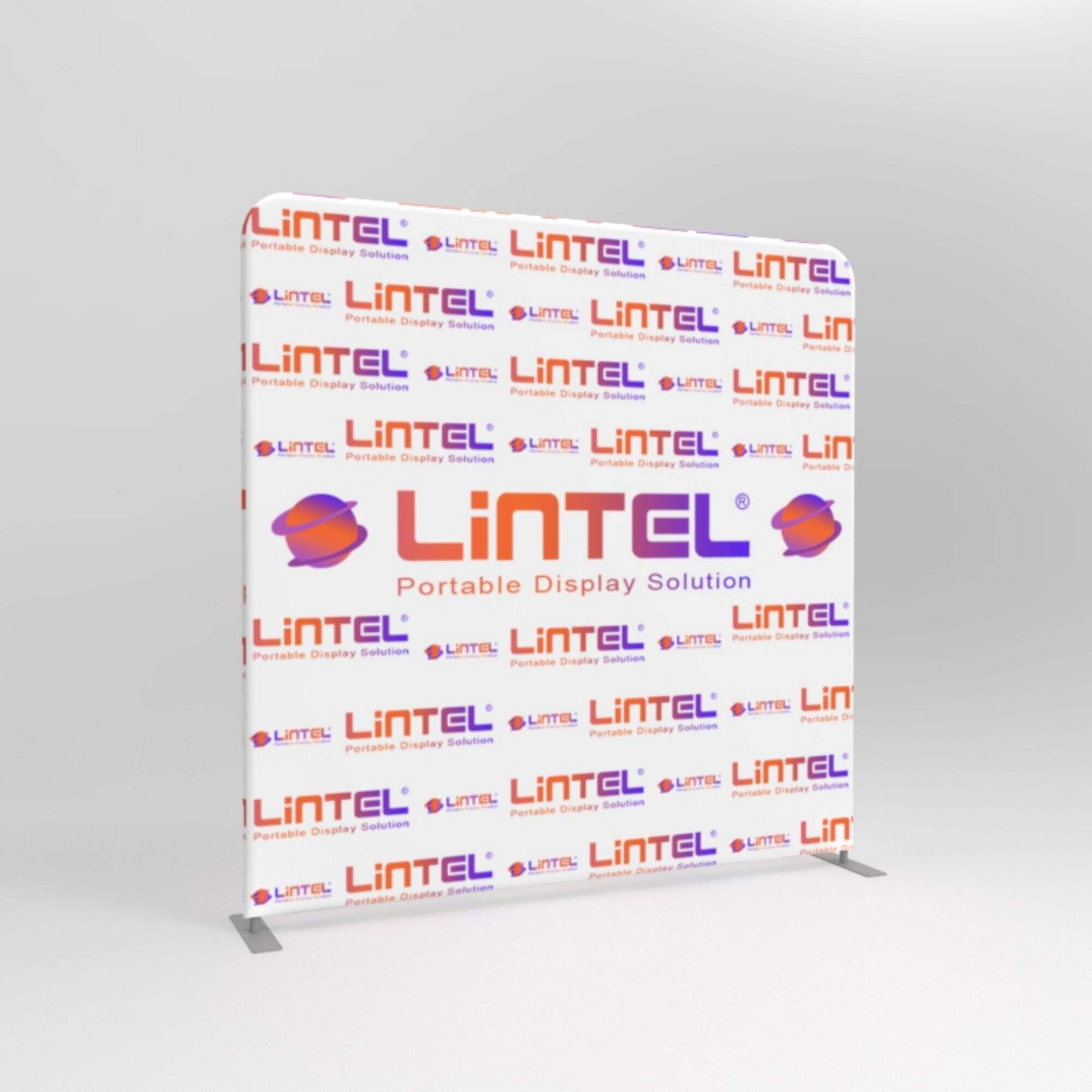
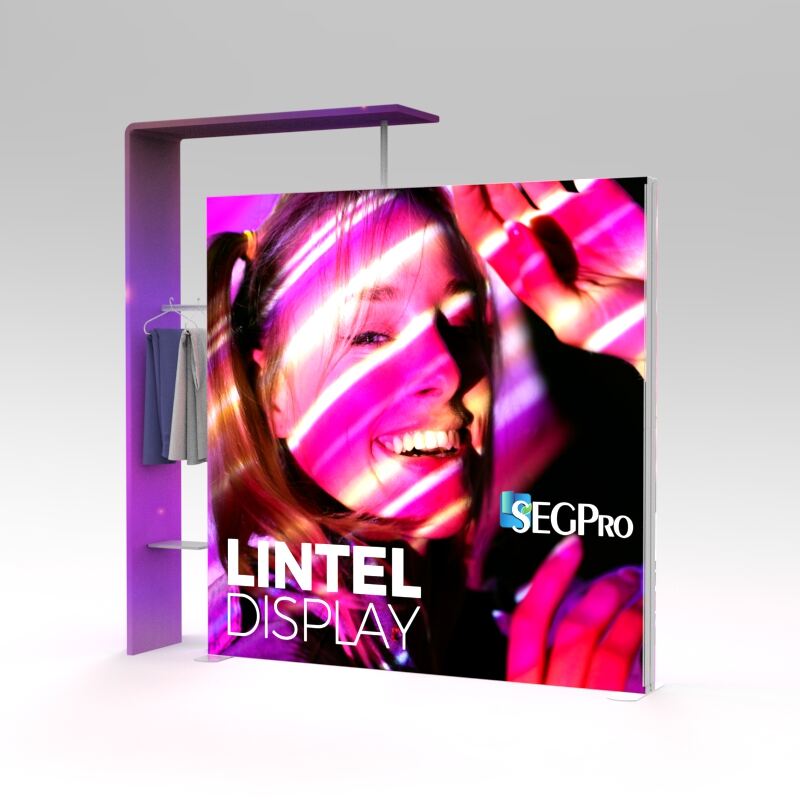
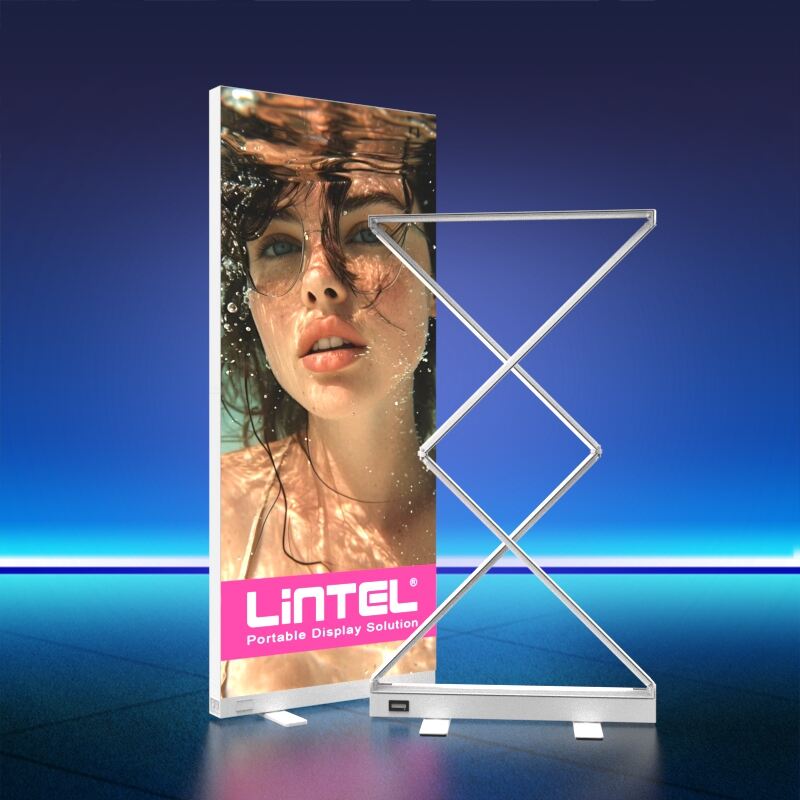
Celebrating 2026 Red Dot Winner – Global Patented 10s Setup 85mm Folding Light Box
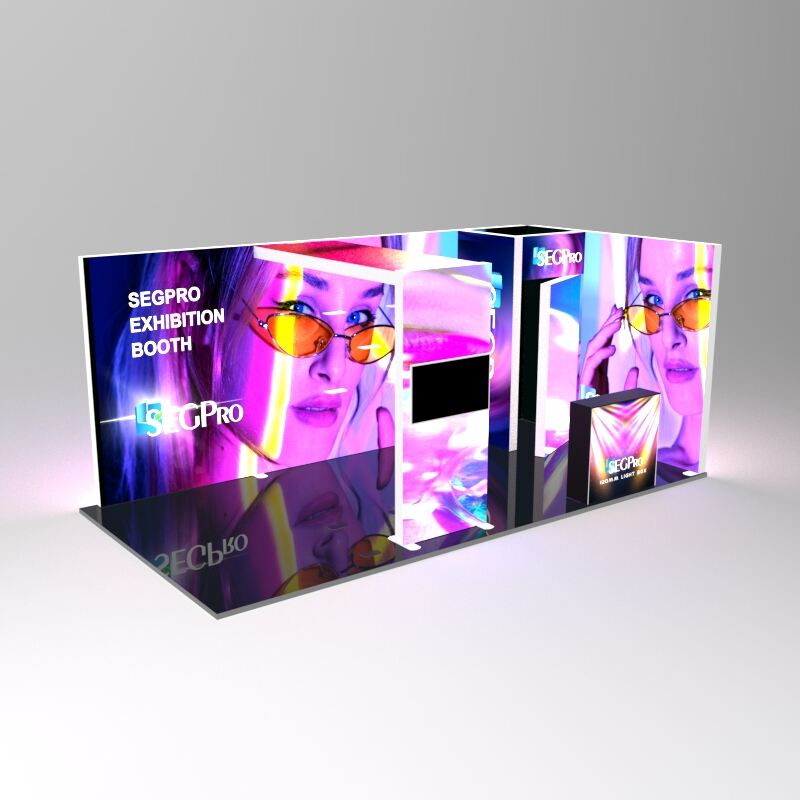
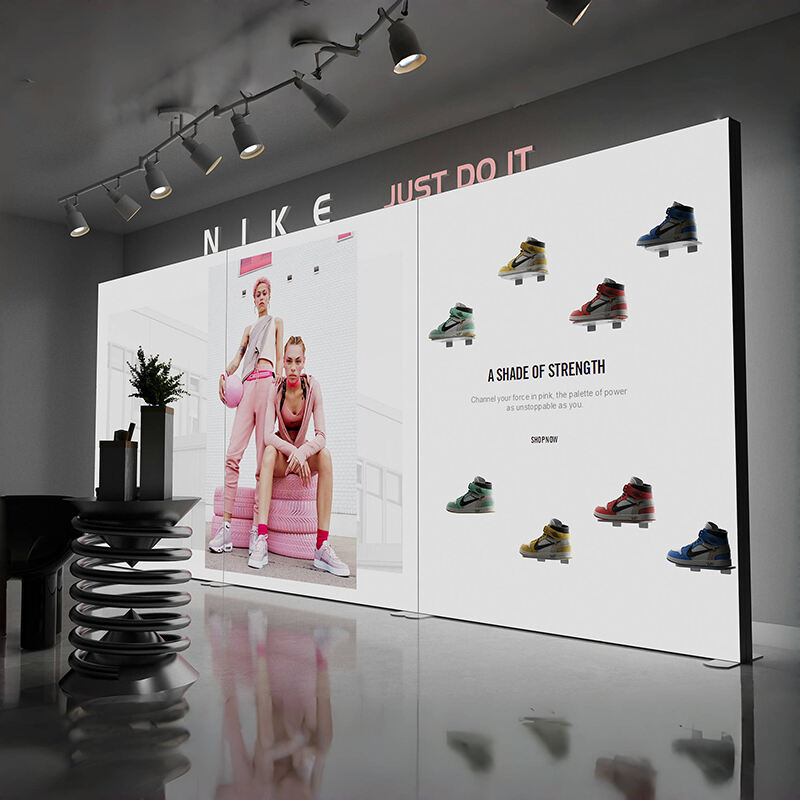
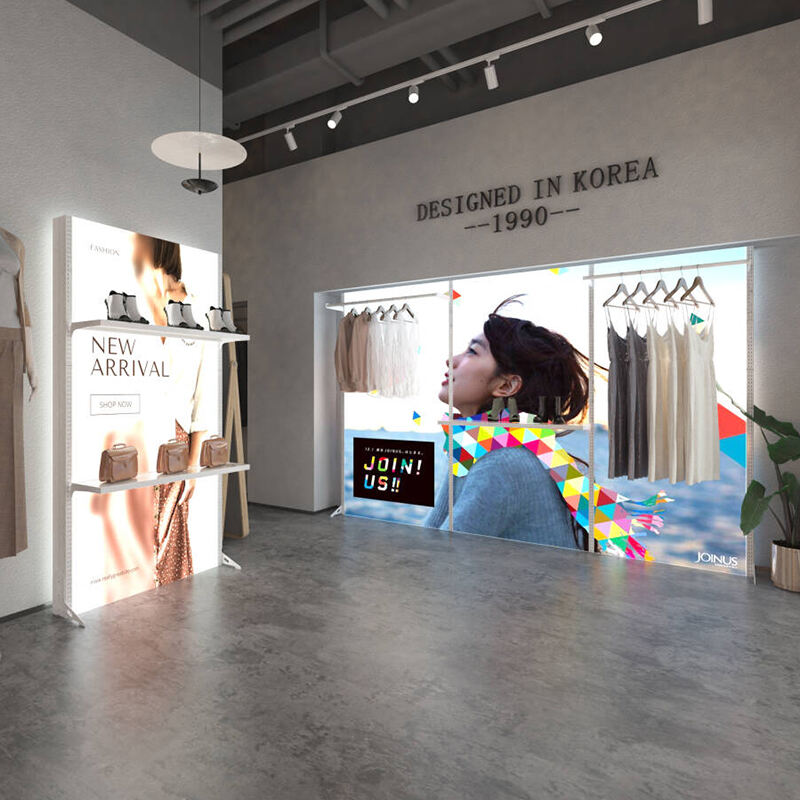
Follow The Lights: Light Box Resources If so, you’re in luck! You can create this from a variety of materials. The definition of a "lightbox" is apparently--a flat surface with light behind it. This is one of the setups which makes objects or designs to look much better than without light. You can use light boxes for a wide variety of activities, such as tracing and drawing or even showing off your art. One of the most important aspects, which you should keep in mind is selecting a material to make your light box as it would impact greatly on performance. In this guide, we are going to look at some of the common materials used for light boxes and what you should consider when selecting which material is The Lightbox Suitable For Project
You can create a light box with various materials available. Acrylic sheets are one of the most commonly used materials as properly glass and cardboard. All of these materials have their own pros and cons. This is a fast way to do that and in this case the material of choice are typically acrylic sheets because they will be sturdy yet flexible enough, not so expensive either. Lintel lightbox stands are very light-permissive, which is really helpful if you want to make sure your light box can be nice and bright. Another material that is popular with many people, such as glasses. It is pretty transparent and displays the details of your food well, but remember that glass can be very fragile! Third there is cardboard, card board should be the lightest and most common solve. Yet, cardboard is ideal for temporary light boxes since it damages quite easily if handled roughly.
Now that you have an idea of the different materials out there lets get into some pros and cons to each one. For those who need a product that is budget-friendly, more lightweight and something with better strength as compared to glass tile, then Acrylic should be your best pick. The only problem is the screen can get scratched or broken if not done correctly. Use glass if you want to be able to see the details but keep in mind that Lintel lightbox graphics is heavy and one fall can break your bottle/history. Unable to think of how I'd actually make a light box out of cardboard, that said there's the fact its extremely fragile. The type of material you select should be based on how you will use the light box and also your thoughts about what is a working budget for materials through this process and simply just practicality (i. e. more durability etc).
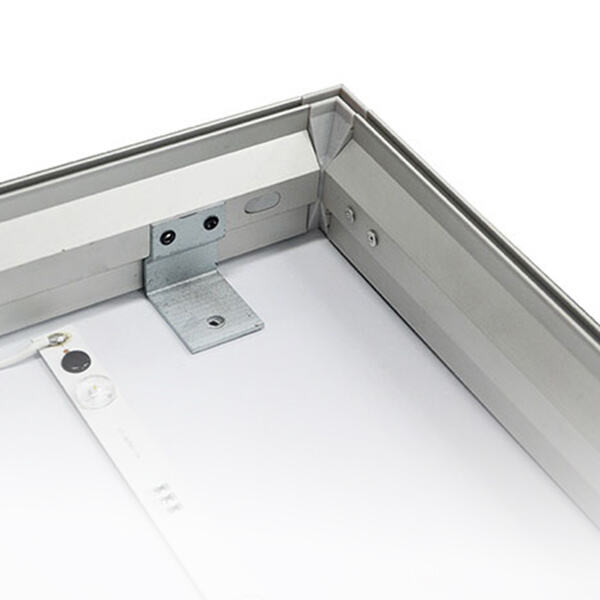
There are few things more than you need to consider when making your light box, such as the material it should be: Thickness of the material in consideration first. While thicker materials are able to block out more outside light, they can be a bit easier to take care of as well. The second thing to keep in mind is that light will pass through the material. This is really significant to ensure your light box emits enough brightness, so you end up using it regularly. Thirdly, consider the size of material. In general, you will most materials in a standard size so always be sure to take consideration of your project and to whether or not special order for such may apply. Finally, Lintel retail light box also take into account what it will cost you since some materials can be more expensive than others.
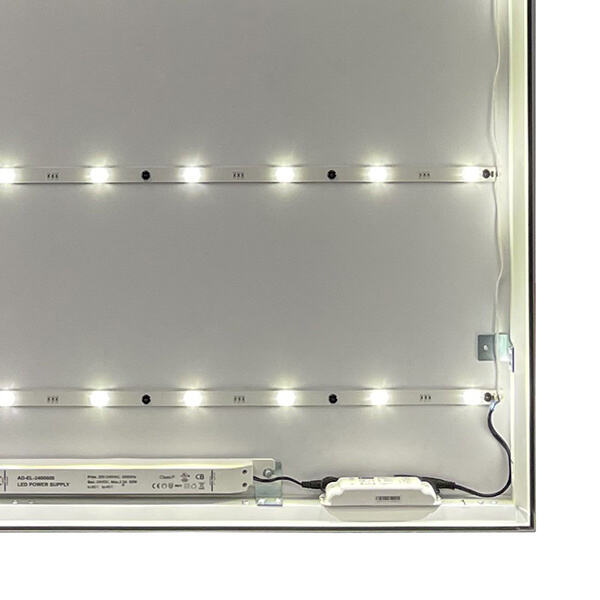
There are many types of light boxes available and the materials used for it can also greatly help in improving how your art appears. For tracing, you will need to confirm that lines are well defined as in the case if a light box is utilized. The more translucent and evenly thick the material, the less muddied your guide is. For example, if you will use the light box to present illustrations and we would like the colors of those images to pop out shining in bright pleasant ways. After all, this allows your art to appear as beautiful and gorgeous as it does in a portfolio when you are drawing them out or displaying the final piece.
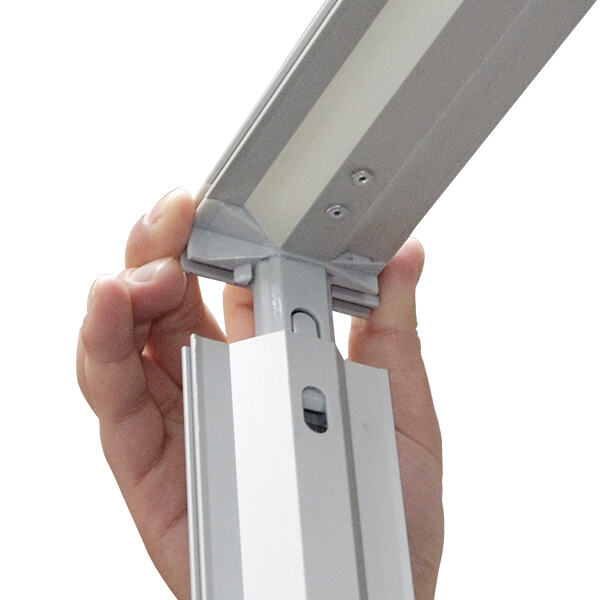
For a unique light box or anything outside the ordinary materials there are any number of more creative choices out there. And then there are also persons that used fabric in their light box to bring a level more special or unique look. Thin plastics in particular can be used to simulate a texture and absorb light, resulting in interesting designs on your light box. There is no one rule here, just let yourself be creative and discover new materials that help you achieve your desired effect for the light box. You may be surprised at how many there actually are!
Lintel Display, founded in 1998 and covering total area of 200,000 square metros, was Material for light box. Lintel equipped with 10 production lines are automated and its products are offered to over 110 nations and regions across the world. more than 80 product patents and close to 10 patents inventions, it can fulfill the entire needs its customers.
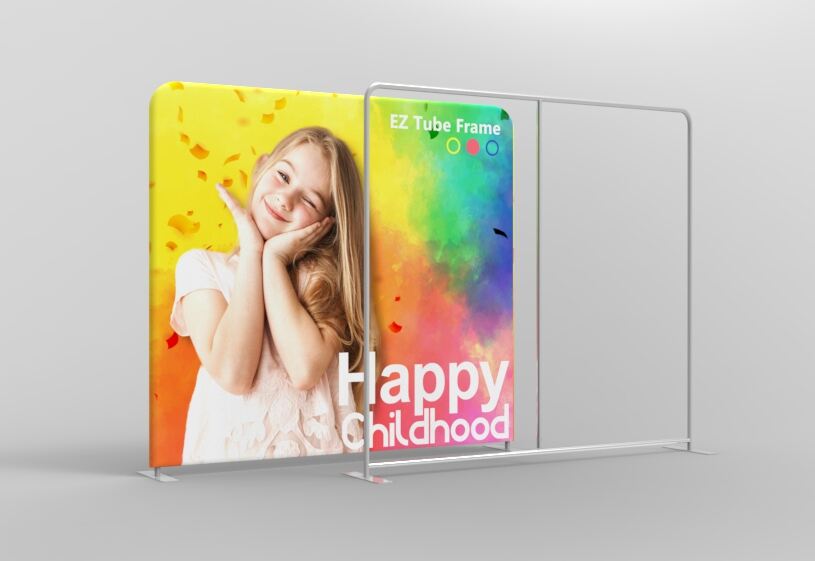
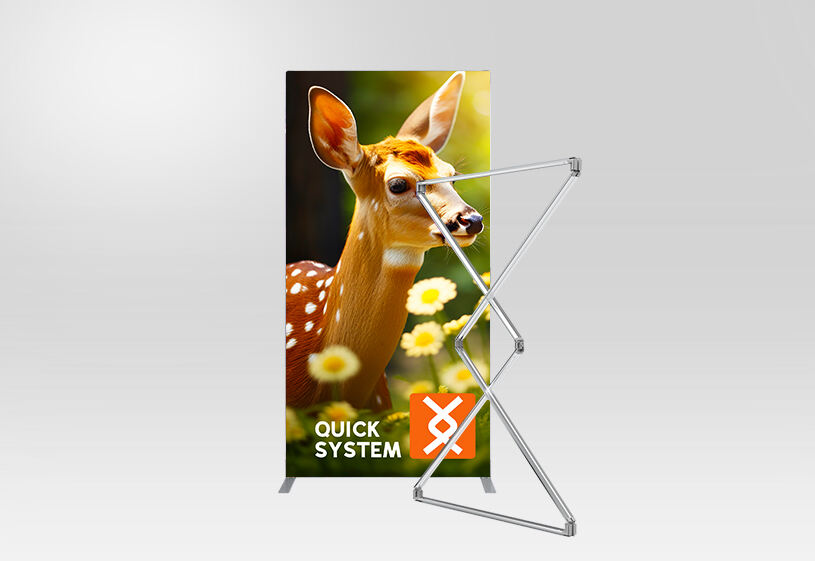
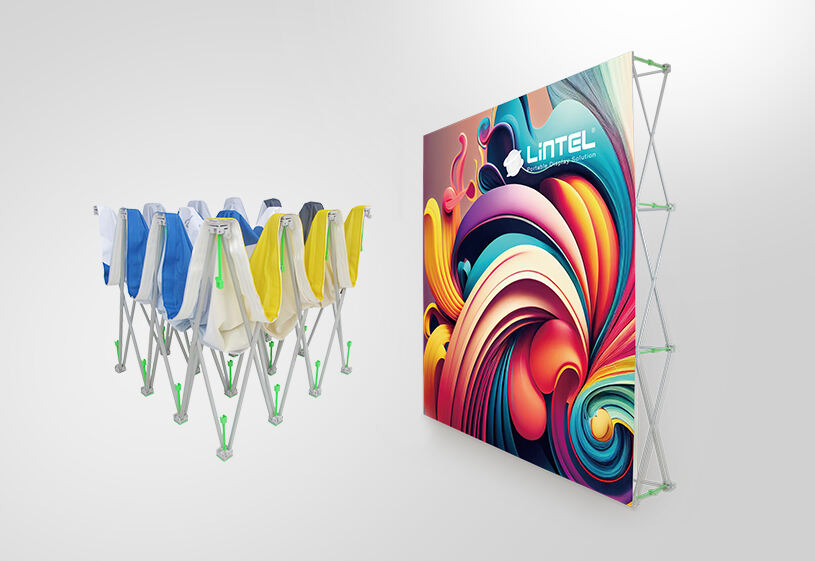
Lintel's principal products include pop-up stand, roll-up banner, tube frames fabric backdrop stands. Material for light box indoor poster frames, snap frames, booth solutions, graphic printing, etc. Over 120 models' modular products available to be combined. We've served over 10,000 client's comprehensive solutions.
Lintel certified by lSO9001, ISO14001, CE, RoHS, FCC, RCM, UL, etc. All of products are completely recyclable. 75% of the frames made recycled aluminum. Fabric graphic displays with fire-resistant characteristics ensure Material for light box longevity. Green Exhibitions with universal services.
ERP MDS management, automated production lines and equipment settings provide with quick production and Material for light box. Lintel has network of agents spread across Europe, America, Asia, allowing users gain quick insight into the local market. Ensuring receives them in time.
 EN
EN
 AR
AR
 FR
FR
 DE
DE
 JA
JA
 KO
KO
 PT
PT
 RU
RU
 ES
ES
 DA
DA
 FI
FI
 NO
NO
 SV
SV
 TL
TL
 BG
BG
 HR
HR
 CS
CS
 NL
NL
 EL
EL
 HI
HI
 PL
PL
 RO
RO
 IW
IW
 SR
SR
 SK
SK
 SL
SL
 UK
UK
 VI
VI
 SQ
SQ
 ET
ET
 HU
HU
 MT
MT
 TH
TH
 MS
MS
 GA
GA
 IS
IS
 AZ
AZ
 KA
KA
 BN
BN
 MN
MN